Emergencies often happen without warning, and the ability to respond quickly can make a significant difference before professional medical assistance arrives. Theoretical information is helpful, but real-life CPR and first aid training gives people experience that makes them feel better prepared for emergencies. Across workplaces, schools, households, and community groups, more people are choosing practical emergency education because it improves confidence, awareness, and decision-making skills.
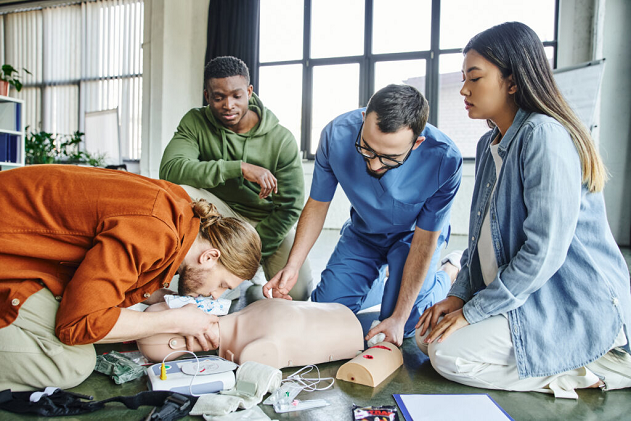
Hands-on learning allows participants to actively practice emergency response techniques instead of only reading about them. This practical approach is helping individuals become more capable and confident during stressful situations.
Practical Training Builds Real-World Confidence
One of the biggest advantages of practical emergency education is the confidence it creates. Many people feel anxious during emergencies because they fear making mistakes or forgetting what to do under pressure.
Training providers such as Fast First Aid CPR focus on practical exercises that allow learners to repeatedly practice important emergency procedures. Participants become more familiar with CPR techniques, wound management, communication methods, and safety responses through guided demonstrations and supervised activities.
Active Learning Improves Skill Retention
People often remember information more effectively when they actively participate in learning rather than only listening to lectures or reading instructions. Practical CPR and first aid programs use demonstrations, simulations, and physical exercises to help participants develop stronger memory retention.
When learners physically perform emergency response techniques themselves, they are more likely to recall the correct procedures later. This is especially important during stressful situations where quick action may be required.
Practical Scenarios Prepare People For Unexpected Situations
Emergencies rarely happen in perfectly controlled conditions. Real-life incidents may involve noise, confusion, emotional stress, or multiple people needing assistance at once. Practical training prepares individuals for these unpredictable situations by exposing them to realistic learning environments.
Participants often practice responding to simulated accidents, breathing difficulties, injuries, or unconscious individuals while following proper emergency procedures. This experience helps learners become more comfortable handling pressure and communicating clearly during critical moments.
The ability to practice in realistic scenarios improves readiness far more effectively than theoretical learning alone.
Families Gain Valuable Everyday Skills
Parents and caregivers increasingly recognise the importance of practical first aid education because emergencies involving children or elderly relatives can occur unexpectedly. Hands-on training helps families feel more prepared to manage situations such as falls, burns, choking incidents, or allergic reactions.
Practical instruction allows caregivers to develop familiarity with emergency response techniques while building confidence in their ability to assist loved ones when necessary.
Many families appreciate that practical first aid education focuses on situations they may realistically face during everyday life rather than only workplace-related emergencies.
Workplaces Benefit From Hands-On Emergency Education
Employers are also placing greater value on practical emergency response training because workplaces often involve situations where immediate action may be needed. Offices, warehouses, hospitality venues, schools, and recreational facilities can all experience accidents or sudden medical incidents.
Employees who complete practical training are often more confident supporting coworkers, customers, or visitors during emergencies. Businesses benefit from stronger workplace safety awareness and improved preparedness among staff members.
The increasing demand for first aid courses Cannon Hill reflects how organisations and communities are prioritising accessible, practical learning experiences that prepare individuals for real situations.
Practical Training Encourages Faster Reactions
During emergencies, hesitation can delay important assistance. Practical training reduces hesitation by helping participants become more familiar with emergency procedures through repeated practice.
Learners gain confidence in recognising signs of distress, assessing situations, and following response steps more efficiently. This familiarity often helps individuals react faster and more calmly when emergencies occur outside training environments.
Quick and organised responses can help improve safety while waiting for professional emergency services to arrive.
Community Preparedness Continues To Expand
Public awareness surrounding emergency preparedness has increased significantly in recent years. Communities increasingly understand that trained bystanders may play an important role during the early stages of emergencies.
As a result, more individuals are choosing practical CPR and first aid programs that focus on realistic skills rather than purely theoretical instruction. Schools, workplaces, sports clubs, childcare centres, and community organisations are all encouraging greater participation in emergency education.
This growing interest is helping create safer and more prepared communities overall.
Conclusion
Learning CPR and first aid through practical training provides important benefits that extend beyond the classroom. Hands-on learning improves confidence, strengthens memory retention, prepares individuals for real situations, and encourages calmer emergency responses. Programs such as HLTAID011 Provide First Aid are helping more people develop valuable emergency response skills through realistic and engaging practical education. As awareness of personal and community safety continues growing, practical first aid training will remain an essential part of emergency preparedness for individuals from all backgrounds.