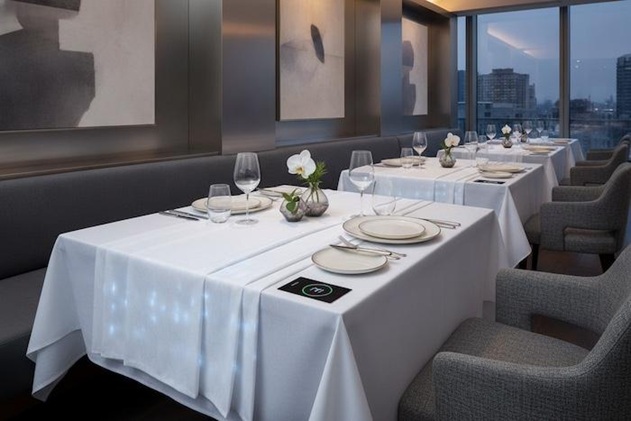
Walk into a busy event space and you can feel it almost instantly. Bright lights. Clattering dishes. Loud conversations bouncing off hard walls. Patterns fighting for attention. For many people, that kind of environment is merely distracting. For others, it can be overwhelming, exhausting, and emotionally draining. That is why thoughtful event design matters so much, and why sensory-friendly details deserve more attention than they usually receive.
One of the simplest ways to soften a room is through fabric. Color, texture, weight, and finish all affect how a space feels. Sensory-friendly table coverings are not just decorative accessories. They can help create calm, reduce visual noise, and support a more welcoming experience for guests who are sensitive to overstimulation. In schools, healthcare settings, community centers, churches, family events, and even corporate functions, the right table linens can quietly change everything.
Why Sensory Design Matters More Than People Realize
Overstimulation often builds in layers. A loud room becomes harder to handle when it is also visually chaotic. Sharp contrasts, shiny surfaces, scratchy materials, and busy prints can create tension that people may not even be able to explain out loud. They just know they feel uneasy.
You may have seen this happen. A child starts tugging at a sleeve and looking for the exit. A teen goes silent. An adult smiles politely but seems to shut down little by little. These reactions are real, and they deserve compassion. Sensory-friendly spaces can help people stay present longer, feel safer, and engage more comfortably.
This is where well-chosen wholesale tablecloths can make a meaningful difference. Soft matte fabrics, muted colors, and smooth finishes help reduce one more source of stress in a room that may already be full of stimulation.
Choosing wholesale tablecloths for Calm, Not Chaos
Not every tablecloth supports a sensory-friendly environment. Some materials reflect too much light. Some have stiff, noisy textures. Others feature intense prints that can feel restless, especially in crowded rooms.
When choosing sensory-conscious linens, it helps to focus on a few key qualities:
– Soft texture that does not feel rough or irritating
– Matte or low-sheen fabric that avoids glare
– Solid colors or gentle patterns that do not compete for attention
– Heavier drape that creates a grounded, tidy appearance
– Easy-care materials that stay neat without looking rigid
A calm room often begins with visual consistency. Tables covered in soothing shades such as soft blue, sage, cream, dusty rose, or gentle gray can make a large space feel more balanced. Even before anyone sits down, the atmosphere shifts.
There was a small fundraiser once where the hosts changed only one major element before guests arrived: the linens. They replaced shiny, busy coverings with soft fabrics in muted tones. One volunteer later said the room seemed to strengthen everyone’s ability to relax. That word stayed with the team because it captured something true. Small details can strengthen comfort in ways that big gestures sometimes cannot.
How bulk tablecloths Support Inclusive Event Planning
When organizations plan for many tables at once, consistency becomes important. Using wholesale-tablecloths allows schools, nonprofits, caterers, and venues to create a cohesive sensory-friendly setup without scrambling for mismatched pieces. That consistency is not only practical. It also reduces the visual clutter that can make a room feel unsettled.
Inclusive planning means thinking beyond appearance alone. It means asking how each element will feel to the people entering the space. Will the room feel gentle or demanding? Will it invite people in or push them back?
For recurring events, buying in volume also makes it easier to maintain a reliable sensory-friendly standard. That matters because trust is often built through repetition. When people know a place tends to feel calm, they are more likely to return.
In one community center, the staff realized that overstimulation had become an ingrained part of their gatherings. No one intended it, of course. It had simply become normal to accept loud colors, slippery fabrics, and distracting décor. Once they switched to softer table settings, parents and guests noticed the difference almost immediately. What had been ingrained could be gently unlearned.
What Features to Look for in bulk tablecloths
If you are sourcing linens for sensory-sensitive spaces, a few practical features deserve extra attention.
First, avoid highly reflective fabrics. Satin and sequined materials may look festive, but they can amplify light and motion in ways that feel intense. Matte polyester blends, brushed finishes, or cotton-feel options are often easier on the eyes.
Second, think about touch. Guests may rest their hands or arms on the table during meals, meetings, or activities. A smoother surface can feel more reassuring than a stiff or scratchy one.
Third, keep patterns minimal. Simple designs can be lovely, but crowded prints tend to create visual busyness. Solid tones usually work best when the goal is calm.
Fourth, consider sound and movement. Heavier fabrics often sit more quietly on tables and shift less during use. That subtle stability can help the whole room feel less chaotic.
Finally, choose easy-to-clean materials. Sensory-friendly design should also be realistic. Durable linens that wash well and hold their shape make long-term use much easier for staff and organizers.
Creating a Gentle Atmosphere from the beginning
The most welcoming events often feel thoughtful from the beginning. Guests notice when a room has been prepared with care. They may not always name the exact reason, but they sense it. The space feels softer. Easier. Kinder.
At a family resource event, one organizer remembered the beginning of her work in accessibility planning. She had focused first on ramps, seating, and signage, all of which mattered deeply. But later she saw a child run a hand across a harsh plastic table cover and pull away immediately. That tiny moment changed her perspective. Accessibility starts at the beginning with the details many people overlook.
Sensory-friendly décor does not need to be plain or joyless. It can still feel warm, elegant, and celebratory. The difference is intention. Instead of designing for maximum stimulation, you design for comfort, dignity, and ease.
A More Comfortable Room Can Change the Whole Experience
When people feel physically and emotionally safer in a room, they participate differently. They linger. They eat. They talk. They smile without forcing it. They stop bracing themselves.
That is the quiet power of thoughtful design. Sensory-friendly table linens may seem like a small choice, but they can shape the tone of an entire gathering. For event planners, schools, care facilities, and organizations that want to serve people well, fabric is not just fabric. It is part of the experience.
By choosing calming colors, soft textures, and dependable materials, you can make events more inclusive and far less overwhelming. And when that happens, a room no longer demands so much from the people inside it. Instead, it gives something back: relief, comfort, and the simple feeling of being welcome.