Deciding to straighten your teeth is a significant step toward boosting your confidence and improving your oral health. With more orthodontic options available than ever before, choosing the right treatment can feel overwhelming. Each method has its own unique advantages, and the best choice depends on your specific dental needs, lifestyle, and personal preferences.
Understanding the differences between treatments is key to making an informed decision. This guide will help you navigate the most common orthodontic options so you can choose the best path to your ideal smile.
Assessing Your Orthodontic Needs
Before exploring treatment options, the first step is a thorough consultation with an orthodontist. During this appointment, the specialist will examine your teeth and jaw, take X-rays, and possibly create a 3D model of your mouth. This evaluation helps determine the underlying issues that need correction.
Common orthodontic problems include:
- Crowded or crooked teeth
- Gaps or spacing between teeth
- Overbites, underbites, or crossbites
- Jaw misalignment
The complexity of your case will heavily influence which treatments are most suitable. A simple case of minor crowding might be resolved with multiple options, while a complex bite issue may require a more traditional approach.
Exploring the Main Treatment Options
Once your needs are assessed, you can discuss the pros and cons of each treatment type with your orthodontist. Here are the most prevalent choices.
Traditional Metal Braces
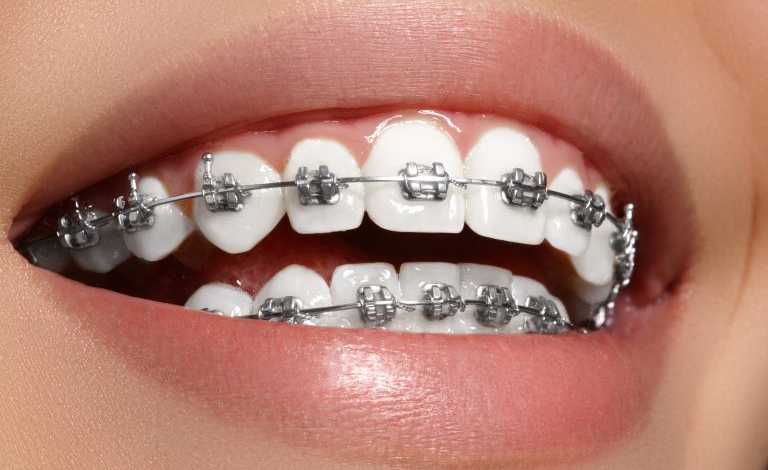
Traditional braces are the most recognizable form of orthodontic treatment. They consist of high-grade stainless steel brackets that are attached to each tooth and connected by a wire. The orthodontist periodically tightens the wire to gradually shift your teeth into the correct alignment.
- Best for: Complex bite issues, severe crowding, and major alignment problems. They are highly effective and predictable.
- Considerations: They are the most visible option. The process of bonding braces to the teeth is straightforward, but they require diligent cleaning to prevent plaque buildup around the brackets.
Ceramic Braces
Ceramic braces function in the same way as metal braces, but with a key aesthetic difference. The brackets are made from a clear or tooth-colored ceramic material, making them much less noticeable.
- Best for: Individuals who need the strength and effectiveness of traditional braces but want a more discreet appearance.
- Considerations: They can be slightly more expensive than metal braces and may be more prone to staining if not cared for properly.
Clear Aligners
Clear aligners have become an extremely popular alternative to braces. This system uses a series of custom-made, transparent plastic trays that fit snugly over your teeth. Each tray is worn for about one to two weeks before moving on to the next one in the series, incrementally moving your teeth.
- Best for: Mild to moderate crowding, spacing issues, and minor bite corrections. They are ideal for adults and teens who value aesthetics and flexibility.
- Considerations: The aligners must be worn for 20 to 22 hours a day to be effective. They are removable, which makes eating and cleaning easier, but this also requires discipline. They may not be suitable for correcting complex orthodontic problems.
Factors to Consider When Making Your Choice
Choosing the right orthodontic treatment is a personal decision. Beyond the clinical recommendation, here are a few factors to weigh.
Lifestyle and Convenience
Think about your daily routine. If you play contact sports or a wind instrument, braces might require some adjustments. Clear aligners offer more flexibility since they can be removed, but you must be responsible for wearing them consistently and keeping them clean.
Treatment Duration and Cost
The length of treatment varies widely depending on the severity of your case and the method you choose. Traditional braces might be required for more complex issues, sometimes resulting in a longer treatment time. In terms of cost, traditional metal braces are often the most affordable option, while clear aligners and ceramic braces typically have a higher price point.
Your Aesthetic Goals
How important is the appearance of your orthodontic appliance to you? If you feel self-conscious about visible metal, then ceramic braces or clear aligners might be a better fit.
Ultimately, the best way to make a decision is through a detailed conversation with your orthodontist. They can provide a personalized recommendation based on a complete evaluation of your teeth and a clear understanding of your goals. By weighing the options, you can select the treatment that will lead you to a healthier, more confident smile.