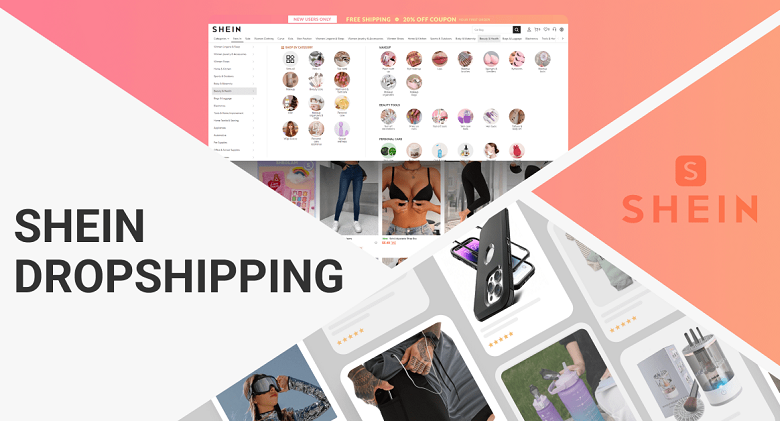
The fashion ecommerce industry has never been more accessible. Entrepreneurs can launch online stores within days, access thousands of products without holding inventory and reach customers worldwide through social media and digital advertising. Among the companies that have transformed the fashion landscape, SHEIN stands out as one of the most influential players.
Known for its vast catalog, trend-driven collections and competitive pricing, SHEIN has become a popular source of inspiration for ecommerce sellers. As a result, many entrepreneurs wonder whether they can build a sustainable fashion brand using products associated with the SHEIN ecosystem and a dropshipping business model.
The answer is more nuanced than a simple yes or no. While dropshipping can provide an effective entry point into fashion ecommerce, building a genuine brand requires much more than sourcing trendy products.
Why Fashion Entrepreneurs Start with DropshippingLow Barriers to Entry
Fashion has traditionally been a difficult industry for small businesses to enter. Launching a clothing brand often required significant upfront investment in inventory, manufacturing and warehousing.
Dropshipping changed that equation.
Instead of purchasing large quantities of stock, sellers can list products online and purchase them only after a customer places an order. This significantly reduces financial risk and allows entrepreneurs to test demand before committing capital.
For many aspiring fashion retailers, dropshipping provides a practical way to enter the market without substantial startup costs.
Testing Demand Before Investing
One of the greatest advantages of dropshipping is product validation.
Fashion trends change quickly. A style that generates strong demand this month may be forgotten next season. Dropshipping allows sellers to experiment with different product categories, customer segments and marketing approaches without carrying inventory risk.
This flexibility makes it attractive for entrepreneurs still exploring their market positioning.
The Challenge of Building a BrandProducts Alone Do Not Create Brands
Many new sellers assume that success in fashion comes from finding popular products.
In reality, products are only part of the equation.
Consumers often purchase fashion items based on identity, lifestyle and emotional connection. Successful brands create a story that resonates with their audience. Customers are not simply buying clothing; they are buying a representation of how they see themselves.
This presents a challenge for businesses relying entirely on products that are widely available elsewhere.
Differentiation Becomes Essential
The fashion market is highly competitive.
If multiple stores sell similar products, customers often compare prices rather than brand value. This creates downward pressure on margins and makes customer loyalty difficult to achieve.
Successful fashion businesses therefore focus on differentiation. Photography, content, customer experience and brand positioning often become more important than the products themselves.
The Importance of Niche PositioningBroad Fashion Stores Face Intense Competition
One common mistake among new fashion entrepreneurs is trying to appeal to everyone.
General fashion stores compete against established retailers with larger marketing budgets, stronger brand recognition and extensive product catalogs. Breaking through this competition can be extremely difficult.
Many successful ecommerce brands instead focus on specific customer segments.
Examples include sustainable fashion enthusiasts, minimalist clothing buyers, fitness-focused consumers or trend-conscious young professionals.
Strong Positioning Improves Marketing Efficiency
A clearly defined audience makes marketing more effective.
When a brand understands exactly who it serves, it can create content, messaging and product selections that resonate more deeply with potential customers.
This targeted approach often generates stronger engagement than broad, generic marketing campaigns.
Branding Creates Long-Term ValueVisual Identity Matters
Fashion remains one of the most visually driven sectors in ecommerce.
Customers form opinions about a brand within seconds of visiting a website or social media profile. Professional photography, consistent design and cohesive branding all contribute to perceived quality.
Many successful brands invest heavily in presentation, even during the early stages of growth.
The goal is to create an experience that feels distinctive rather than interchangeable.
Social Media Drives Discovery
Platforms such as Instagram, TikTok and Pinterest have become major sources of fashion discovery.
Consumers increasingly encounter new brands through social content rather than traditional advertising. This creates opportunities for smaller businesses to compete with larger companies through creativity and storytelling.
Brands that consistently produce engaging content often build stronger customer relationships than those relying solely on product listings.
Customer Loyalty Is the Real GoalOne-Time Buyers Are Not Enough
Many dropshipping stores focus exclusively on acquiring new customers.
While customer acquisition is important, long-term success depends on retention. Businesses that rely entirely on constant advertising often struggle with profitability as marketing costs rise.
Fashion brands achieve stronger economics when customers return repeatedly.
Repeat purchases increase customer lifetime value and reduce dependence on paid advertising.
Community Strengthens Brand Equity
The most successful fashion brands build communities around shared interests and values.
Customers become advocates rather than simply buyers. They engage with content, share products on social media and contribute to brand awareness organically.
This type of loyalty is difficult to achieve through product selection alone.
Moving Beyond Basic DropshippingGrowth Often Requires Greater Control
Many fashion entrepreneurs begin with dropshipping but eventually seek greater control over their products and customer experience.
As sales grow, opportunities emerge to customize packaging, develop exclusive designs or introduce branded product lines.
These steps help transform a store into a true brand.
Private Label Becomes a Natural Evolution
Private label strategies allow businesses to place their own branding on products while maintaining many of the operational efficiencies that supported early growth.
This approach increases differentiation and strengthens customer recognition.
For many successful ecommerce businesses, private label represents the bridge between a simple online store and a long-term brand.
Managing Quality and Customer ExpectationsFashion Returns Remain a Challenge
Fashion ecommerce typically experiences higher return rates than many other categories.
Sizing differences, fit preferences and customer expectations all contribute to return activity. Businesses must account for these realities when developing operational processes.
Product quality becomes particularly important because negative experiences can quickly damage brand reputation.
Trust Influences Purchasing Decisions
Consumers are often hesitant to purchase clothing from unfamiliar brands.
Detailed product descriptions, accurate sizing information and authentic customer reviews help reduce uncertainty.
Trust is especially important in fashion because buyers cannot physically examine products before making a purchase.
Conclusion
Building a fashion brand with Shein dropshipping or similar sourcing models is possible, but products alone are not enough to create a sustainable business. Dropshipping can provide a valuable starting point by reducing risk and allowing entrepreneurs to test market demand. However, long-term success depends on branding, differentiation and customer relationships.
The strongest fashion brands focus on specific audiences, develop compelling identities and create experiences that extend beyond individual products. Over time, many evolve toward private label strategies and greater control over their product offerings.
In an increasingly crowded ecommerce market, the businesses that succeed are rarely those with the largest catalogs or the lowest prices. They are the brands that give customers a reason to return. For entrepreneurs entering fashion ecommerce, that distinction may ultimately determine whether a store remains a short-term experiment or becomes a lasting business.