Stone has been a cornerstone of construction for millennia, from the pyramids of Giza to medieval castles. Its strength, durability, and natural beauty make it timeless. Today, architects are reimagining this ancient material, creating innovative, sustainable structures deeply connected to their environment.
Minimalist Stone Design: Less is More
Minimalism in architecture is all about stripping away the non-essential to reveal the pure form and function of a building. When applied to stone, this philosophy results in structures that are clean, serene, and profoundly beautiful. Minimalist stone architecture emphasizes the inherent texture, color, and character of the stone itself.
Key Features
- Clean Lines and Simple Forms: Minimalist designs favor simple geometric shapes like cubes and rectangles. Walls are often unadorned, allowing the natural pattern of the stone to become the primary decorative element.
- Monochromatic Color Palettes: Architects often use a limited color palette, focusing on neutral tones like white, gray, and beige. This creates a sense of calm and cohesion, letting the subtle variations in the stone’s color shine through.
- Emphasis on Natural Light: Large windows and open spaces are common features. Natural light interacts with the stone surfaces, creating dynamic shadows and highlighting textures throughout the day.
- Integration with Nature: Minimalist stone buildings are frequently designed to blend seamlessly with their natural surroundings. The use of local stone helps connect the structure to its landscape, making it feel like an organic extension of the environment.
Inspiring Examples
A prime example is the Casa de la Roca in Mexico, designed by Cadaval & Solà-Morales. This home is built directly into a rocky mountainside, with its stone walls appearing to grow out of the landscape. Large glass panels frame stunning views, blurring the line between inside and out. The design is a masterclass in using stone to create a dwelling that is both modern and deeply rooted in its place.
Another notable project is the Therme Vals in Switzerland, by Peter Zumthor. This spa complex is built from layers of locally quarried Valser quartzite. The design creates a cavern-like, sensory experience where the focus is on the material qualities of stone and water. The precise, rectilinear forms give the structure a modern feel, while the rough-hewn stone evokes a sense of ancient, geological time.
Brutalist Stone Design: Raw and Powerful
Brutalism, which emerged in the mid-20th century, is known for its raw, exposed concrete and monumental forms. While concrete is its signature material, many brutalist principles can be applied to stone architecture. Brutalist stone design is characterized by its honesty, structural expression, and powerful, sculptural presence.
Key Features
- Exposed, Unfinished Surfaces: Like its concrete counterpart, brutalist stone architecture celebrates the raw materiality of the stone. Surfaces are often left rough and unfinished, showcasing the stone’s natural texture and the marks of its quarrying and construction.
- Monumental and Geometric Forms: Brutalist buildings are often large-scale and use bold, blocky shapes. They have a weighty, fortress-like quality that conveys a sense of permanence and strength.
- Structural Honesty: The building’s structure is often left visible. Thick stone walls, massive columns, and deep-set windows reveal how the building is supported, making the forces of gravity and material strength a part of the aesthetic.
- Textural Contrast: Brutalist designers often create visual interest by contrasting rough stone with smooth materials like glass or metal. This juxtaposition highlights the unique qualities of each material.
Inspiring Examples
The Salk Institute in La Jolla, California, designed by Louis Kahn, is a landmark of architectural modernism with brutalist sensibilities. While primarily known for its use of concrete, the travertine plaza that separates the two main laboratory blocks is a key element. The warm, porous stone provides a humanizing counterpoint to the stark concrete, creating a space for contemplation and intellectual exchange.
In a more contemporary context, the work of Ensamble Studio in Spain often incorporates brutalist ideas with natural stone. Their project, The Truffle, involved creating a small shelter by burying a block of concrete in the earth, surrounding it with hay, and then having a calf eat the hay to hollow out the interior. The exterior was then clad in rough, locally sourced stone, resulting in a primitive, cave-like structure that is both raw and poetic.
Contemporary Stone Design: Innovation and Synthesis
Contemporary stone architecture is not a single style but rather a diverse and dynamic field that blends elements from various movements. Architects today are using advanced technology and innovative techniques to push the boundaries of what is possible with stone. This approach often synthesizes the clean lines of minimalism with the expressive power of brutalism, all while prioritizing sustainability and context.
Key Features
- Technological Innovation: Digital fabrication tools like CNC milling and robotic carving allow architects to create complex shapes and intricate patterns in stone that were previously impossible. This technology enables a new level of precision and artistry. For example, using cultured stones in Promontory settings allows for controlled aesthetics and performance.
- Hybrid Construction: Contemporary designs often combine stone with other materials like steel, glass, and timber. This hybrid approach leverages the best qualities of each material—the mass and durability of stone, the lightness and transparency of glass, and the warmth of wood.
- Sustainability and Local Sourcing: There is a growing emphasis on using locally sourced stone to reduce transportation costs and environmental impact. Architects are also exploring ways to use reclaimed stone and improve the energy efficiency of stone buildings.
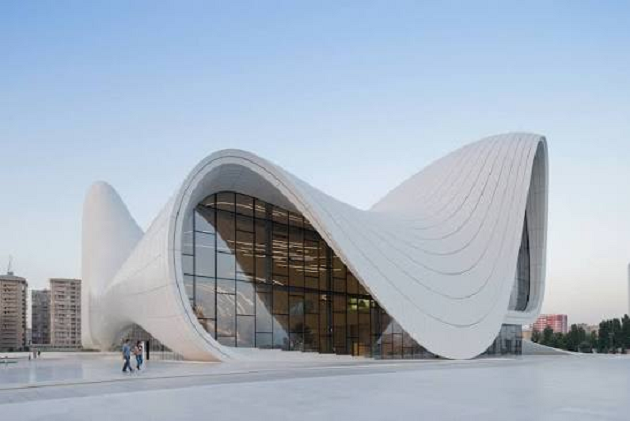
- Expressive and Sculptural Forms: Freed from traditional constraints, contemporary architects are using stone to create fluid, sculptural, and expressive forms. Buildings may feature curving walls, perforated facades, or dramatic cantilevers that challenge our expectations of stone as a heavy, static material.
Conclusion
Once limited to load-bearing walls, stone is now used by contemporary architects in innovative ways that honor its history. From minimalism to brutalism, stone proves to be a versatile, relevant material for modern living—not just for historical monuments.