Large cleanup and construction projects often generate more waste than regular trash service can handle. In these situations, a temporary dumpster provides a practical and flexible disposal solution. Whether for residential, commercial, or short-term needs, temporary dumpsters help manage debris efficiently without requiring a long-term commitment.
Understanding What a Temporary Dumpster Is
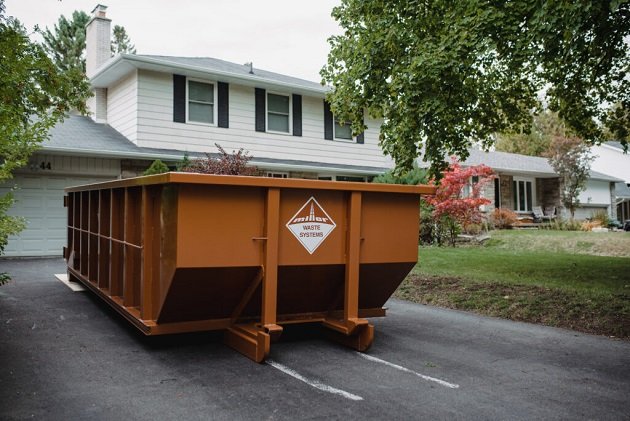
A temporary dumpster is a large waste container delivered to a location for short-term use. Unlike permanent waste bins used for ongoing service, temporary dumpsters are rented for a specific timeframe, often ranging from a few days to a couple of weeks. Once the rental period ends or the container is full, it is picked up and removed.
These dumpsters are typically open-top containers designed to handle bulky or heavy materials. They are commonly used for projects that produce a concentrated amount of waste in a short period, making them ideal for one-time or seasonal needs.
Common Situations Where Temporary Dumpsters Are Used
Temporary dumpsters are widely used across different types of projects. One of the most common uses is home renovation. Remodeling kitchens, bathrooms, or entire living spaces generates debris such as drywall, wood, flooring, and packaging materials. A temporary dumpster keeps this waste contained and simplifies cleanup.
Home cleanouts are another frequent scenario. When clearing out garages, basements, attics, or entire properties, the volume of unwanted items can quickly exceed curbside limits. Temporary dumpsters allow everything to be discarded efficiently in one coordinated effort.
Construction sites also rely on temporary dumpsters to manage debris throughout various project phases. From demolition to final finishing, having a centralized disposal option helps maintain cleaner job sites and smoother workflows.
Benefits of Using a Temporary Dumpster
One of the primary benefits of a temporary dumpster is convenience. Instead of making multiple trips to a landfill or transfer station, waste can be loaded directly into the container on-site. This saves time and reduces interruptions to the project.
Temporary dumpsters also help keep work areas organized. By containing debris in a single location, they reduce clutter and support safer environments. This is particularly valuable during construction or renovation work where loose materials can create hazards.
Flexibility is another advantage. Because the dumpster is rented for a set period, users are not locked into ongoing service. Once the project is complete, the container is removed, leaving the space clear and ready for normal use.
Choosing the Right Size and Placement
Temporary dumpsters come in different sizes to accommodate various project scopes. Smaller containers may be sufficient for minor cleanups or small renovation projects, while larger options are better suited for extensive remodels or construction jobs.
Placement is also an important consideration. Dumpsters are typically placed in driveways, parking areas, or designated work zones. Ensuring adequate access for delivery and pickup helps prevent delays and keeps the project running smoothly.
Working with providers such as Temporary Dumpster can help users select the appropriate size and coordinate scheduling to align with project timelines.
When a Temporary Dumpster Makes the Most Sense
A temporary dumpster is most useful when a project generates a significant amount of waste over a short period. If multiple disposal trips would otherwise be required, renting a container often proves more efficient. It is also a strong option when managing bulky items that regular trash services will not accept.
For one-time projects, emergency repairs, seasonal cleanups, or short-term construction work, temporary dumpsters provide a straightforward solution without the need for ongoing waste contracts.
Temporary dumpsters offer a flexible and efficient way to handle large volumes of waste from short-term projects. By understanding what they are and when they are most useful, individuals and organizations can better plan for cleanup needs. With proper sizing and scheduling, a temporary dumpster simplifies disposal and helps keep projects organized from start to finish.