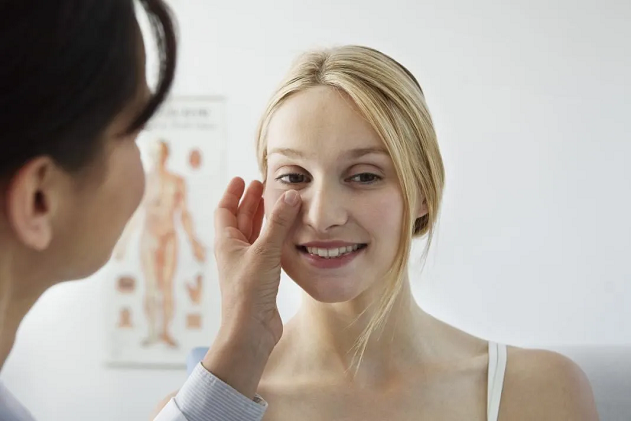
Unwanted facial hair is often treated as a purely cosmetic issue, yet for many women it becomes a recurring and time-consuming part of everyday life. Hair on the upper lip, chin, jawline or beneath the chin may need to be removed several times a week. Repeated shaving, plucking, threading or waxing can also leave sensitive skin feeling irritated.
The challenge is therefore not simply removing the hair that is visible today. It is finding a sustainable routine that makes future regrowth easier to manage without creating a second problem in the form of redness, ingrown hairs, discomfort or uneven skin texture.
This is where facial-hair inhibitors occupy a distinct place in modern skincare. Unlike razors, waxes and ordinary depilatory creams, a hair inhibitor is designed to reduce the rate at which unwanted hair grows. Women researching facial and body hair removal options should understand that these products are not necessarily instant hair removers. They are generally used as part of a longer-term management routine, often alongside the removal method a person already uses.
Why Unwanted Facial Hair Can Be Difficult to Manage
Facial hair varies considerably from one person to another. Fine, light hair is common and may become more noticeable with age, particularly around menopause. Coarser and darker growth can appear on the upper lip, chin, jawline or neck.
In some women, this growth pattern is described as hirsutism. It can be associated with increased androgen activity or with greater sensitivity of the hair follicles to androgens. Polycystic ovary syndrome is one possible cause, although unwanted facial hair can also occur without an obvious underlying hormonal disorder.
Certain medicines and less common endocrine conditions may contribute as well. A sudden increase in coarse facial or body hair—particularly when accompanied by irregular periods, severe acne, scalp hair thinning, a deepening voice or other noticeable physical changes—should therefore be medically assessed rather than approached exclusively as a grooming concern.
For stable, localized unwanted hair, cosmetic management may remain the main objective. Even then, the selected method should reflect the condition of the skin, the area being treated and the amount of ongoing maintenance the person is willing to undertake.
What Makes a Facial-Hair Inhibitor Different?
Most conventional hair-removal methods act on hair that has already grown.
Shaving cuts the hair at the skin’s surface. Waxing, threading and tweezing pull it from the follicle. Depilatory creams chemically weaken the hair shaft so that it can be wiped away. Laser treatment and electrolysis target the hair follicle through device-based procedures.
A facial-hair inhibitor takes a different approach. Topical eflornithine, one of the best-known prescription options in this category, is applied to affected facial areas to slow the rate of hair growth. It interferes with an enzyme involved in activity within the hair follicle.
The goal is not to make existing hair disappear immediately. Instead, the treatment is intended to make new growth progressively slower and potentially easier to manage.
This distinction matters. Someone beginning a facial-hair inhibitor should not expect the instantly smooth result associated with shaving, threading or waxing. Existing hair generally still needs to be removed using a suitable method. Over time, however, slower regrowth may reduce how frequently that removal is required.
It Is Not a Depilatory Cream
A common source of confusion is the assumption that every topical hair product works like a depilatory.
Depilatory creams are designed to dissolve or weaken the visible hair shaft during a short application period. The product is then removed together with the affected hair. The result is immediate but temporary because the follicle continues producing new hair.
Eflornithine-based facial-hair inhibitors do not dissolve existing hair. They are used consistently over time to slow its growth. A woman may therefore continue shaving, plucking or using another appropriate removal technique while applying the inhibitor as directed.
Understanding this difference helps establish realistic expectations. An inhibitor should be assessed by whether hair returns more slowly and becomes easier to manage—not by whether it removes all visible hair after the first application.
Patience and Consistency Matter
Hair grows in cycles, so a growth-slowing treatment does not produce an overnight transformation. With prescription eflornithine cream, improvement may begin to become noticeable after several weeks of consistent use. The response can vary considerably, and not every user will experience the same degree of change.
The effect also depends on continued treatment. A facial-hair inhibitor does not permanently destroy the follicle. Hair growth may gradually return toward its previous pattern after the treatment is discontinued.
It is therefore more accurate to describe an inhibitor as an ongoing management method than as a permanent cure.
This gradual action explains why it is unhelpful to switch products after only a few days. Taking photographs under similar lighting or recording how frequently hair needs to be removed can provide a more objective way to evaluate progress.
Without such a record, subtle changes may be difficult to notice from one day to the next.
Fitting an Inhibitor Into an Existing Routine
One practical advantage of a facial-hair inhibitor is that it can form part of a routine that already includes shaving, plucking or another suitable removal method.
The two approaches perform different functions. Conventional removal deals with the hair that is currently visible, while the inhibitor is intended to slow subsequent regrowth.
Product-specific instructions remain essential. Prescription eflornithine is normally applied in a thin layer to the affected areas of the face and the adjacent area beneath the chin, according to its prescribing information. The skin should not be broken or severely irritated, and the timing of application following hair removal should follow the product label or a healthcare professional’s instructions.
Applying a larger quantity or using the cream more frequently than directed does not guarantee faster results. It can instead increase the possibility of stinging, burning, redness or other irritation.
Contact with the eyes, lips and internal surfaces of the nose or mouth should be avoided. Hands should also be washed after application unless they are the treatment area.
Who May Benefit From This Approach?
Facial-hair inhibitors may be relevant to adult women who have persistent unwanted growth on localized facial areas and are dissatisfied with the frequency of conventional removal.
They may be particularly useful when repeated plucking, waxing or shaving has become inconvenient or causes recurring irritation. A successful routine may not eliminate the need for removal completely, but it could make that routine less frequent and easier to maintain.
However, these products are not automatically appropriate for every person with facial hair. Prescription eflornithine has been studied and indicated for reducing unwanted facial hair in women, particularly on the face and adjacent areas beneath the chin.
It should not be casually repurposed as a universal body-hair treatment, an ordinary beard-removal cream for men or a substitute for investigating a possible hormonal condition.
Pregnancy, breastfeeding, allergies, existing skin disorders and the use of other topical medicines may affect whether a particular product is appropriate. Prescription and importation requirements can also differ between jurisdictions.
Professional guidance and careful review of the official instructions are therefore more reliable than recommendations based exclusively on social-media testimonials.
Facial-Hair Inhibitors and Sensitive Skin
Women managing unwanted facial hair often use several skincare products at the same time. These may include retinoids, exfoliating acids, acne treatments, brightening formulas or physical scrubs.
Combining multiple potentially irritating products can weaken the skin barrier and make discomfort more likely. The problem may be intensified by waxing, threading or close shaving, all of which can temporarily leave the skin more vulnerable.
A simple routine is often easier to evaluate. New products can be introduced individually, and strongly irritating treatments should not be layered without considering their combined effects.
If persistent burning, pronounced swelling, blistering or worsening inflammation develops, use should be stopped and medical advice obtained. Continuing to apply a product through significant irritation is unlikely to improve the result.
Realistic Expectations Versus Marketing Claims
The most useful question is not whether a topical product can “eliminate facial hair forever.” A facial-hair inhibitor is not designed to provide permanent follicle destruction.
A more realistic question is whether it can make regrowth slower, reduce the frequency of removal and make the overall routine more manageable.
Consumers should be cautious with claims promising immediate, permanent or completely effortless results. They should also distinguish between prescription eflornithine creams and cosmetic lotions marketed as hair-growth-retarding products.
These products may contain different ingredients, have different levels of clinical evidence and be intended for different areas of the face or body. The active ingredient, concentration, directions, intended user and approved application area should therefore be checked before purchase.
Not every item placed within a broad hair-removal category works through the same mechanism.
When Professional Assessment Matters
Persistent unwanted facial hair does not always indicate a medical condition, but certain changes should not be ignored.
A healthcare professional should assess hair growth that appears suddenly, progresses rapidly or occurs together with menstrual changes, severe acne, scalp hair loss, voice changes or other signs of possible hormonal imbalance.
Professional assessment may help distinguish localized unwanted hair from hirsutism associated with an underlying condition. It can also prevent someone from repeatedly changing cosmetic products while the actual cause remains unaddressed.
Likewise, painful bumps, spreading discoloration, repeated follicle inflammation or significant irritation after hair removal may require dermatological advice rather than a more aggressive grooming technique.
A More Skin-Conscious Approach
Managing unwanted facial hair does not have to mean choosing the most forceful removal method available. For some women, a better strategy is to combine gentle removal with a product intended to address the rate of regrowth.
This can shift the routine away from constant reaction and toward steadier, longer-term management.
Facial-hair inhibitors offer a practical middle ground between temporary removal and device-based procedures. Used for the correct indication, with realistic expectations and appropriate professional guidance, they may help make unwanted facial hair less demanding to manage.
The objective is not to impose a particular beauty standard. It is to provide individuals with a more informed and controlled approach to a concern that can affect comfort, confidence and everyday skincare.