Are you throwing parlays together based on gut feeling and hoping for the best? I used to do exactly that — until I started treating odds tracking as a skill worth developing. Once I did, the whole process changed.
What Does Tracking Betting Odds Actually Mean
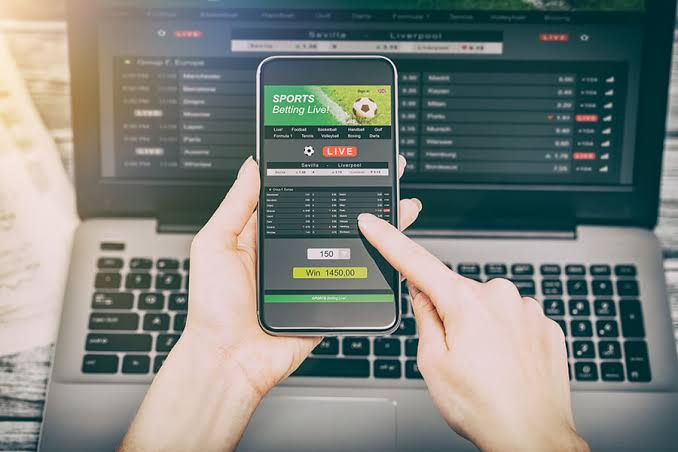
Tracking betting odds means recording and comparing the lines offered across different sportsbooks over time to spot movement, value and patterns. It is not just noting the opening line — it is watching how a line shifts from open to close and understanding why. According to a 2025 report by the American Gaming Association, bettors who actively compare odds across at least three platforms show measurably better long-term results than those who bet with a single book. When I started using Bet 442 alongside a simple spreadsheet, I immediately noticed how often the same parlay leg carried odds ranging from -115 to +105 depending on the platform.
Line movement typically reflects sharp money, injury news or public betting volume. A line that opens at -110 and moves to -135 tells a story. Bettors who read that story hold a real informational edge — and that edge compounds across every parlay leg you add.
How Do I Set Up a Simple Odds Tracking System
Building a tracking system does not require software subscriptions or advanced tools. A consistent routine and a structured log are enough to start. One sports betting blogger described her method in a 2025 post: “I open five tabs every morning — my primary book, two alternatives and two odds aggregators. I log the opening line for every game I am considering before I place a single bet.”
Here is how I set up my own system, step by step:
- Choose two to four sportsbooks you will monitor — including Bet 442 for parlay-specific promotions
- Record the opening line for each game on your shortlist every morning
- Log the line again four hours before tip-off or kickoff
- Note any injury reports or lineup changes that appeared between recordings
- Mark which book offered the best number at the time you placed the bet
- Review your log weekly to identify which sources move earliest and which move latest
After six weeks of this routine I had identified that two of my tracked books consistently lagged sharper lines by 90 minutes or more. That lag is where value lives.
Which Odds Format Should I Use for Parlay Building
The format you track in matters less than your consistency — but decimal odds make parlay maths significantly easier to calculate manually. American odds (-110, +150) are standard in the US market, while decimal odds (1.91, 2.50) are common across European books and are the default on several global platforms. A seasoned anonymous bettor I spoke with in early 2026 put it plainly: “I converted everything to decimal the day I started building parlays seriously. It cut my mental maths time in half.”
Here is a quick comparison of the three main formats used across tracking tools in 2026:
| Format | Example | Best For | Parlay Maths |
| American | -110 / +150 | US market bettors | Complex manual calculation |
| Decimal | 1.91 / 2.50 | Parlay builders | Multiply legs directly |
| Fractional | 10/11 / 3/2 | UK and Irish markets | Least intuitive for parlays |
Most serious parlay bettors I know switched to decimal tracking regardless of which book they use. The arithmetic is simply faster — multiplying 1.91 × 2.50 × 1.80 gives you a parlay multiplier in seconds.
How Do I Identify Real Value Before Adding a Leg
A leg has value when the implied probability from the odds is lower than your own estimated probability for that outcome. That gap — however small — is the entire basis of long-term positive expected value. Research from the University of Las Vegas Gaming Research Center, published in 2024, found that recreational bettors overestimate the role of favourites in parlays by an average of 18 percentage points.
The main signals I look for before adding any leg are:
- Line moving against public betting percentages (sharp action indicator)
- Closing line value — the final number is statistically the most efficient price
- Discrepancies between Bet 442 and at least two other books exceeding 10 cents on the juice
- Inflated public favourites with more than 75% of tickets on one side
- Unders in high-total games where the total has been bet up by casual money
No single signal is a guarantee. But when three or more align on the same leg, I treat that as a meaningful green light — and my tracked log shows those legs convert at a noticeably higher rate over a 200-bet sample.
What Are the Most Common Mistakes When Building Tracked Parlays
The most frequent error is adding legs to increase the payout rather than because each leg independently holds value. Correlation errors are almost as common — betting two legs that are statistically linked inflates your perceived edge without actually reducing risk. An anonymous forum member on a major betting community in March 2026 wrote: “I spent three months wondering why my four-leg parlays kept failing until someone pointed out I was stacking same-game props that all depended on one player having a big game.”
The three mistakes I see most often are:
- Adding a low-value leg simply to reach a round payout number
- Ignoring vig differences between books when the leg is borderline
- Failing to record the actual odds at bet placement versus the odds at open
Keeping an honest log at Bet 442 and your other tracked books removes most of these errors over time — because the data corrects your assumptions faster than memory ever could.