There was a time when following competitive gaming felt like a niche hobby. You had to know where to look, which tournaments mattered, and which players were worth watching. Today, that world looks completely different.
Esports has evolved into a global entertainment phenomenon, drawing audiences that rival traditional sporting events. What fascinates me most isn’t just the competition itself—it’s the communities that have formed around it. After spending countless hours following major tournaments, fan discussions, and creator content, I’ve noticed that the real story is no longer about the games alone. It’s about the people.
For anyone trying to keep up with the rapidly changing competitive gaming landscape, platforms such as Esports GG have become valuable resources for news, tournament coverage, guides, and industry insights. As esports continues expanding, trusted information hubs are becoming just as important as the matches themselves.
The Shift From Gaming to Entertainment
The biggest misconception about esports is that it only appeals to gamers.
That might have been true a decade ago. Not anymore.
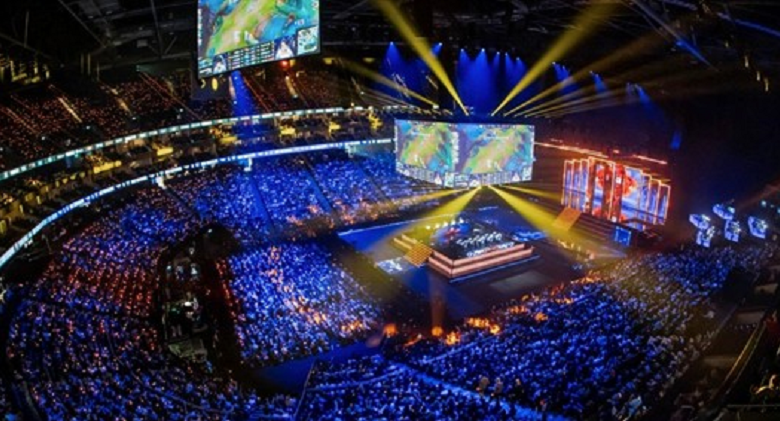
Today, esports events blend competition with entertainment, storytelling, celebrity appearances, live production, and social media engagement. Major championships attract viewers who may never have played the featured game but enjoy following the personalities and narratives surrounding the scene.
Consider how traditional sports built loyal fan bases. People often support teams because of history, rivalries, and emotional connections. Esports has developed many of those same characteristics at a much faster pace.
According to data from Statista, global esports audiences continue to grow year after year, highlighting the increasing mainstream appeal of competitive gaming.
Why Fans Stay Invested
The matches may attract attention initially, but communities are what keep people engaged.
I have seen fans spend entire evenings discussing roster moves, tournament predictions, and memorable plays. The conversations often continue long after a championship has ended.
Several factors drive that loyalty:
- Direct interaction between players and fans
- Constant updates through streaming platforms
- Global online communities that never truly sleep
- Shared experiences during major tournaments
- Easy access to behind-the-scenes content
Unlike many traditional entertainment industries, esports allows audiences to feel remarkably close to the people they follow.
A fan can watch a player compete on stage one day and interact with them during a livestream the next.
That accessibility creates stronger emotional investment.
Streaming Changed Everything
The rise of livestreaming transformed esports from an occasional spectacle into an everyday experience.
Before streaming became widespread, fans mostly relied on highlight videos and tournament recaps. Now, they can watch practice sessions, interviews, casual matches, and live events from anywhere.
Platforms such as Twitch and YouTube have helped turn professional players into recognizable personalities. Many viewers develop long-term loyalty to creators before they even become interested in a specific esport.
This shift has also encouraged a new generation of content creators who focus on analysis, commentary, and storytelling rather than gameplay alone.
As explained by Wikipedia’s esports overview, the industry’s growth has been closely linked to advances in online broadcasting and digital media consumption.
The Power of Shared Online Experiences
One aspect that often gets overlooked is how esports brings people together across borders.
A major tournament can unite viewers from dozens of countries simultaneously. Fans celebrate victories, react to upsets, and debate controversial moments in real time.
That collective experience creates a sense of belonging.
You do not need to attend an arena in person to feel connected. A live chat, community forum, or social platform can provide the same feeling of participation.
Many esports fans describe championship weekends the same way sports supporters talk about major finals. It’s not just about watching. It’s about being part of the moment.
Why Brands Are Paying Attention
Businesses have started recognizing something esports fans have known for years.
These communities are highly engaged.
Unlike passive audiences who consume content and move on, esports fans actively discuss, share, create, and participate. That level of involvement has attracted attention from brands in technology, apparel, entertainment, and consumer products.
The result has been better production quality, larger events, and broader media coverage.
More importantly, it has helped introduce esports to people who previously had little exposure to competitive gaming.
What was once considered a niche corner of internet culture now regularly appears in mainstream conversations.
Where Esports Communities Go Next
The future of esports communities looks increasingly diverse.
Competitive gaming is no longer defined by a single game, platform, or audience. New titles continue emerging, fresh creators attract followers every year, and fan communities keep finding new ways to connect.
What excites me most is that the strongest communities are built around shared interests rather than geography. A fan in London can celebrate a victory alongside someone in Berlin, Seoul, or São Paulo within seconds.
That kind of global participation remains one of esports’ greatest strengths.
Why Esports Culture Is Here to Stay
Esports communities have grown far beyond their early roots. They have become gathering places for entertainment, conversation, creativity, and shared experiences.
As competitive gaming continues entering mainstream culture, the communities surrounding it will likely remain the driving force behind its success. The tournaments may generate headlines, but it’s the fans who create lasting momentum.
For anyone curious about modern digital culture, esports communities offer one of the most fascinating examples of how people connect, celebrate, and build identities online in the modern era.