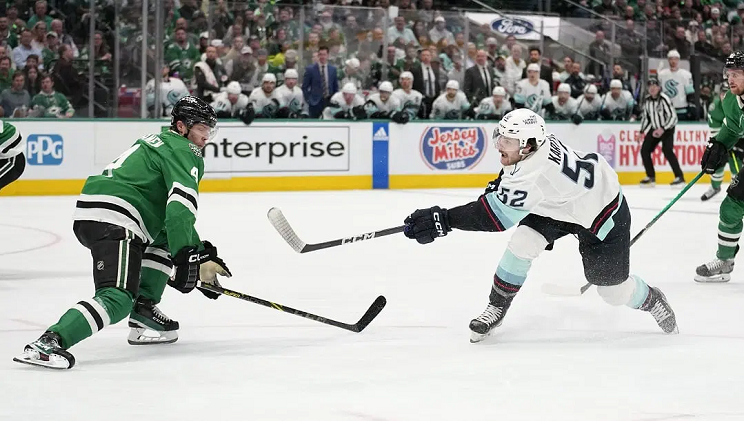
Hockey is one of the most dazzling sports in the world. It is with fast skating, heavy body checks, and roaring crowds. One of the very first questions new fans ask when they are learning about hockey is how many periods are in a hockey game. The game’s structure differs from other sports that use halves or quarters. Most professional leagues like the National Hockey League (NHL) standardize hockey games into three 20-minute periods. These segments provide a structure for gameplay, allow players to recover and maintain momentum, and offer strategic pauses that impact how teams perform throughout the match.
How Many Periods Really Are in Hockey?
The average hockey match consists of three periods. In professional leagues like the NHL, each period typically runs 20 minutes of actual playing time. The clock stops almost every time there is a penalty, a goal (unless it’s really late), and during all manner of game interruptions. This structure helps keep the game moving at a rapid pace. All major hockey leagues worldwide have transitioned to a three-period format.
Why Hockey Uses Three Periods
Hockey breaks games into three periods instead of halves because it’s such a physical game that players need some extra time to recover. It is a sport that consistently requires skating, sudden movements, and physical contact. Regular breaks enable players to recharge and enhance performance. It also enables coaches to call for strategy adjustments between period breaks. Part of the reason for this format is ice maintenance between periods.
Length of Hockey Periods
Professional hockey periods have specific rules governing their timing, intended to balance gameplay and player max output. Game clocks, meanwhile, keep track of time only while play is active, not during stoppages and reviews. In truth, the time that actual games take is greater than official clock time. Commercial interruptions and breaks from live action also affect viewing time.
20-Minute Regulation Periods
The regulation time in professional hockey consists of three 20-minute periods. The game clock will only count down when the puck is in play. The clock stops for penalties, injuries, and whistles. Hence, the real-time game duration exceeds the official playing time. Most pro leagues have the same regulatory structure.
Total Regulation Game Time
Sixty minutes of regulation hockey play is accomplished through three 20-minute periods. But in reality, games last much longer than 2 hours of real time. Intermissions and stoppages extend the actual game duration. Broadcast delays can also lengthen overall watch durations. Overtime can make playoff games even longer.
20 \times 3 = 60
Hockey Intermissions Explained
In reality, these intermissions fall between each hockey period and give players a couple of minutes’ break before they jump back into the action. Apparently, these breaks are simply necessary for players and arena operations. Teams take intermissions to catch their breath and go over plans. This also allows fans to grab refreshments and enjoy entertainment.
Length of Intermissions
Professional hockey intermissions typically run 15-18 minutes, depending on league guidelines and broadcast demands. Players use this time to rehydrate in between periods. They also get ready for the next part of the play. There may be intermissions slightly longer than usual for certain televised games.
Ice Maintenance During Breaks
Between periods, arena crews resurface the ice using machines commonly known as Zambonis. One instance of this is that the smoother the ice, the faster you can skate and move a puck. Damaged ice can impact gameplay and player safety. Ice is fresher (making for a more consistent game). It also reduces uneven ice buildup with more regular resurfaces.
How Overtime Works in Hockey
Then, many hockey leagues use overtime rules if the game is tied after regulation. There are league-specific differences for how extra time is played. Some games might require shootouts after overtime down the road. Post-season overtime rules are often different from what one might see in a regular season.
Regular Season Overtime
NHL regular-season overtime generally consists of a 5-minute, sudden-death segment with fewer skaters on the ice—the first side to score wins. Injury context opens the ice for faster, more aggressive offensive play. In the absence of team scores, a shootout will ensue.
Playoff Overtime Rules
Playoff overtime follows different rules designed to ensure a true game-winning goal. Teams continue playing full sudden-death periods until someone scores. There are no shootouts in NHL playoff hockey. Some playoff games can last several overtime periods. Extended overtime games are considered historic moments in hockey.
Periods in Different Hockey Leagues
Although many leagues use three periods, timing and rules can vary slightly depending on age level and competition format. Different organizations adjust rules for player development and scheduling. Youth leagues often shorten periods for safety and endurance reasons. International tournaments may also use modified timing systems.
NHL Period Structure
The NHL uses three 20-minute periods with standard intermissions and overtime rules. This structure is considered the highest professional standard in hockey. NHL games also include commercial television breaks. Strict timing rules help maintain game organization and fairness. Many other professional organizations follow the league’s format.
Youth and Amateur Hockey Periods
Youth hockey leagues may use shorter periods depending on player age and competition level. Younger athletes often play shorter games for safety and stamina reasons. Some amateur leagues use running clocks during certain situations. Tournament schedules may also affect game length. Development-focused leagues often prioritize player experience over extended play.
Why Hockey Games Feel Long
Although regulation time equals 60 minutes, hockey games usually last much longer in real time. Several factors contribute to the extended viewing duration. Frequent stoppages slow the game clock progression. Arena entertainment and broadcasting also affect timing.
Clock Stoppages During Play
The game clock stops whenever officials blow the whistle for penalties, offsides, icing calls, or injuries. These pauses add significant real-time length. Faceoffs also occur after most stoppages. Review decisions may extend delays further. Frequent interruptions are a normal part of hockey structure.
Television and Commercial Breaks
Professional broadcasts include scheduled commercial breaks during gameplay stoppages. These interruptions help support the financial viability of televised sports production. National broadcasts may include additional advertising segments. Longer broadcasts increase total game duration for viewers. Media coverage plays a major role in the timing of modern professional sports.
How Hockey Periods Compare to Other Sports
Hockey uses a unique structure compared to sports, divided into halves or quarters. Period-based gameplay helps support the sport’s fast pace and physical demands. Different sports organize time according to gameplay style and endurance needs. Hockey’s structure is designed specifically for continuous skating intensity.
Hockey vs Basketball Quarters
Basketball games are divided into quarters instead of periods. NBA games typically consist of four 12-minute quarters. Both sports include clock stoppages and breaks between sections. Basketball generally scores more than hockey. The pace and movement style also differ significantly.
Hockey vs Soccer Halves
Soccer games use two halves rather than periods. The game clock usually runs continuously with limited stoppages. Hockey stops the clock much more frequently during gameplay. Soccer halftime is generally longer than hockey intermissions. The physical demands of movement differ between skating and running sports.
Rules That Affect Hockey Period Timing
Several gameplay rules influence how long periods actually last in real time—penalties, reviews, and officiating decisions all impact timing. Rule enforcement helps maintain fair competition and player safety. Game management also affects broadcast scheduling.
Penalty Time and Delays
Penalties temporarily remove players from the ice and stop gameplay. Officials must organize faceoffs and penalty timing before play resumes. Major penalties may create longer interruptions. Video reviews sometimes delay restarts further. Disciplinary calls are important for player safety enforcement.
Instant Replay Reviews
Officials sometimes review goals, offsides, or controversial plays using video replay systems. These reviews help ensure accurate decisions. Replay reviews may pause gameplay for several minutes. Technology has increased officiating accuracy significantly. Critical playoff moments often involve extended review discussions.
Interesting Facts About Hockey Periods
Hockey period structure has evolved os leagues standardized rules and gameplay organization. Modern formats are designed for competitive balance and entertainment value. Historical hockey games sometimes used different timing systems. Professional leagues eventually adopted consistent period standards.
Early Hockey Game Formats
Some early hockey competitions experimented with different game lengths and structures before standardizing three periods. Rule systems varied across regions. Organized leagues later introduced more consistent regulations. Standard timing, improved scheduling, and competitive fairness. Modern hockey rules developed gradually over many decades.
Longest Hockey Games Recorded
Some professional and playoff hockey games have lasted multiple overtime periods before a winning goal was scored. These matches can continue for several hours. Historic overtime games remain famous among hockey fans. Player endurance becomes extremely important during extended games. Long playoff battles are considered legendary moments in the sport.
Wrapping Up
As with a regular hockey game, which consists of three periods of 20 minutes apiece each (20 regulation minutes per period in the NHL). It also structures gameplay & player recovery around continuous high-speed action throughout the match: intermissions, overtime rules, penalties. The essentially dead time in the game due to television breaks all affects the actual duration of a game.
One of the hallmarks of the sport is its structure in three periods, an element that has endured from youth hockey to professional playoff games. The periods of hockey might not be well understood, but understanding how they work helps fans grasp the game. However, ease out and take more notice of the strategy, which requires endurance and effectiveness. It is making hockey one of the fastest sports in the world. Hockey fans around the world have flocked to the combination of speed, structure, and unrelenting action.
Frequently Asked Questions
How many periods are in a hockey game?
A regulation hockey game consists of three periods. Normally, each period is 20 minutes long.
How Long Is A Hockey Period?
In professional hockey, the periods are 20 minutes long. During the interaction, the clock stops.
How long does a full hockey game last?
Most hockey games last over two hours in real time. Intermissions and stoppages extend the total duration.
Why does hockey use periods instead of halves?
Periods provide additional rest during a physically demanding sport. They also allow ice resurfacing between gameplay sections.
What happens if hockey ends in a tie?
Many leagues use overtime and sometimes shootouts. Playoff games often continue until a team scores.
How long are hockey intermissions?
Intermissions usually last 15 to 18 minutes. This allows player recovery and ice maintenance.
Do all hockey leagues use three periods?
Most leagues use three periods, though timing may vary. Youth leagues sometimes shorten game lengths.
What is sudden-death overtime in hockey?
Sudden-death overtime ends immediately when a team scores. The first goal determines the winner.