Sharp pain under the right ribs, nausea after eating, or bloating that does not seem to subside. Yes, these recurrent digestive disorders often force a person to look up how their gallbladder is functioning. Ultrasounds and blood tests can provide important information, but they do not always give doctors an immediate visual of how bile travels through the gut in real time. This is where a HIDA scan comes in. This test uses a specialized imaging technique to assess how the gallbladder, liver, and bile ducts function as food passes through the digestive tract.
What Is a HIDA Scan?
A HIDA scan is a diagnostic test that helps check the liver, gallbladder, bile ducts, and small intestine. HIDA is an acronym for hepatobiliary iminodiacetic acid, the radioactive tracer used for scanning.
This test is done to see how bile moves through the digestive tract and to find problems that affect the gallbladder, block bile flow, or cause inflammation. The scan shows functional imaging rather than just organ structure.
Why Doctors Order a HIDA Scan
HIDA scans are often ordered by doctors when some causes of abdominal discomfort, stomach upset, bile duct and gallbladder disease may not be obvious with a simple ultrasound exam.
This test helps assess whether the gallbladder empties properly and whether bile flows normally through the liver and into the intestines. It can also help rule out inflammation, bile leaks, or blockages.
What Organs Are A HIDA Scan?
The purpose of a HIDA scan is mainly to evaluate the functionality of the hepatobiliary system (liver, gallbladder, bile ducts, and upper tract structures involved in bile movement).
Bile is essential to digestion, and breakdown of this system may underlie pain, nausea, intolerance to fatty foods, or digestive distress.
How a HIDA Scan Actually Works
For a HIDA scan, you’ll receive a small amount of radioactive tracer injected into your bloodstream. The tracer passes through the liver into the bile ducts and gallbladder, as a special camera images its progress. This enables physicians to track bile flow and further assess gallbladder function long-term.
Radioactive Tracer Injection
For this test, a health care professional injects a radioactive tracer (a small amount of radioactive substance) into your arm vein. The tracer travels through the blood and comes to the liver.
The tracer is processed (much like bile) by the liver, which means imaging equipment can track its pathways as it travels through the gut.
Gamma Camera Imaging
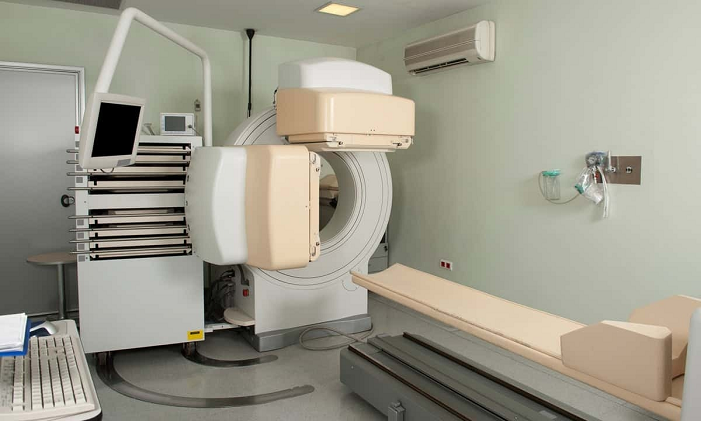
A gamma camera above the patient captures images of the tracer as it travels through organs. These images illustrate the path of bile from the liver to the gallbladder and intestines.
Your doctor studies the timing and pattern of movements to detect abnormal bile flow or gallbladder function.
What a HIDA Scan Diagnoses
HIDA scans are used to diagnose various gallbladder and bile duct diseases that cause digestive issues and discomfort. The test is particularly helpful when symptoms persist despite no ultrasound findings. Functional imaging tells us what structural imaging may not always make obvious.
Gallbladder Inflammation
One of the most common uses of the HIDA scan is to diagnose cholecystitis, or gallbladder inflammation. This acute inflammation can obstruct the flow of bile in and/or out of the gallbladder.
If the tracer cannot enter the gallbladder, physicians may become concerned about obstruction or infection and may suggest additional treatment.
Gallbladder Dysfunction
But some people with gallbladder attacks have no gallstones visible on imaging. A HIDA scan can assess gallbladder emptying after stimulation.
Impaired emptying function can be indicative of biliary dyskinesia or chronic gallbladder dysfunction, both of which may cause digestive symptoms.
Blocked Bile Ducts
This scan can also reveal whether gallstones, inflammation, scars, or other problems with bile flow block the bile ducts.
Without treatment, a blocked bile flow may lead to pain, jaundice, nausea, and problems with your digestive system.
What To Expect Before the HIDA Scan
Preparations for the test vary slightly depending on the healthcare center and the medical condition being evaluated. Patients typically get specific instructions before the day of the procedure. Proper preparation helps optimize image quality and improve test accuracy during a scan.
Fasting Requirements
Patients are typically told to eat or drink nothing for several hours before the scan. It is important for the gallbladder to be working properly and for bile to be present when you do a test that requires fasting.
Too much time between food and the procedure may cause gallbladder activity to decrease, leading to falsely high values; eating too soon before the test could inhibit proper imaging results.
Medication Instructions
Certain drugs can affect the function of your gallbladder or the flow of bile. Doctors might also tell patients to avoid certain medications for a while before the scan if it is deemed safe for them to do so.
Patients should always communicate with a healthcare provider about their current medications before the procedure.
What Happens During a HIDA Scan
It is done at a hospital or imaging center and can take 1 to 2 hours, depending on what type of assessment is needed. Patients lie still while imaging equipment captures internal images as the tracer moves.
Injection and Imaging Process
Following the injection of the radioactive tracer, the patient reclines on an exam table below the gamma camera. The tracer is injected, and as it passes through the liver and gallbladder, continuous images are made. The camera does not hurt because it senses radiation emitted by the tracer inside the body.
Additional Medication During the Test
In some situations, medications may be injected during the scan to induce gallbladder contractions or improve imaging quality. These drugs test how well the gallbladder empties bile into the digestive tract under conditions similar to those of digestion.
How long does a HIDA scan take?
Most of the time, a HIDA scan lasts 1 to 2 hours; however, depending on tracer movement and the specific medical question being evaluated, it may take longer. Sometimes, if bile motion is slow on your first exam, additional delayed imaging may be added.
Standard Scan Duration
Since the tracer passes through the gall bladder and intestines in a typical fashion, routine HIDA scans are typically completed within 60 to 90 minutes. The image timing differs among patients based on hepaticobiliary function and is determined by each individual’s body’s processing of the tracer.
Extended Imaging Situations
If bile flow is delayed or uncertain, doctors may ask for another imaging test several hours later to extend the testing period, which can sometimes detect partial blockages or slower gallbladder emptying.
Is a HIDA Scan Painful?
The process itself is most often painless beyond the initial needle prick for IV administration. In many cases, patients remain comfortable during imaging. In other people, medications used during the scan can stimulate the gallbladder to contract, causing temporary discomfort.
Injection Discomfort
Placement of the IV should cause mild, temporary discomfort similar to that of a standard blood test or intravenous procedure. As soon as you settle into position, most of these patients have very little physical discomfort during the imaging process.
Gallbladder Stimulation Sensations
In a test, some patients may experience cramping, nausea, and pressure in the stomach, similar to their typical gallbladder contraction symptoms (this occurs when medications stimulate gallbladder contraction). These feelings usually subside shortly after the medication’s effects dissipate.
What Is Gallbladder Ejection Fraction?
In some instances, a HIDA scan measures gallbladder ejection fraction, which assesses how well the gallbladder empties bile during digestion. It allows doctors to measure how the gallbladder functions, beyond simply detecting the presence of gallstones or blockages.
How Ejection Fraction Is Measured
The scan may include medication that makes the gallbladder contract. It then measures the amount of bile that exits the gallbladder during imaging. The ratio of emptied bile to total bile is reported as the gallbladder ejection fraction.
Low Ejection Fraction Meaning
A very low ejection fraction could indicate poor gallbladder function or biliary dyskinesia. If the results are abnormal, the patients sometimes have pain, nausea, or digestive symptoms after eating fatty products. In conjunction with symptoms, imaging results, and other clinical assessments, physicians interpret these results.
Conditions a HIDA Scan Can Help Diagnose
HIDA scans identify various hepatobiliary conditions that affect bile flow and digestive health. Since functional imaging is the most valuable test for potentially treatable symptoms not explained by routine imaging alone, it follows that testing should precede treatment. Following different patterns of tracer movement, which can be observed during scanning, due to different conditions.
Chronic Gallbladder Disease
Chronic gallbladder dysfunction may impair efficient bile emptying even in the presence of non-obstructive stones. Scans evaluating contraction patterns (HIDA) may show poor gallbladder contractions, leading to persistent gastrointestinal symptoms. Patients with chronic symptoms typically receive an HIDA evaluation if ultrasound results are not sufficient.
Bile Leaks
Bile leaks can happen when bile spills out from the ordinary duct system within or after surgery or trauma to the abdomen. HIDA scans can occasionally reveal tracer leakage in the abdomen. Knowledge of bile leaks from mucosal repair will allow early intervention and targeted therapy to reduce complications.
Congenital Bile Duct Problems
Occasionally, infants or children undergo HIDA scans to assess congenital bile duct abnormalities that interfere with digestion or liver function. Pediatric specialists use the test to investigate jaundice or liver-related conditions further.
HIDA Scan vs Ultrasound
HIDA scans and ultrasounds are both used to diagnose gallbladder issues, but they show different information. At times, doctors use both tests together for diagnosis. Every imaging method has its own use case depending on the medical question being asked.
Structural vs Functional Imaging
According to the American, ultrasound demonstrates organ structure, gallstones, swelling, and visible anatomical abnormalities. Even HIDA scans are more closely related to the organ’s function and to measuring bile flow. The gallbladder may look normal on ultrasound, but it can be dysfunctional when digesting food.
When Doctors Prefer HIDA Scans
HIDA scans are typically ordered by doctors when gallbladder disease is suspected, as the symptoms are indicative of this condition. Yet, a normal ultrasound or other imaging study has failed to demonstrate such pathology.
Functional testing assesses bile flow into the intestine and gallbladder contraction when stimulated; structural imaging alone would miss many such functional problems.
Safety of a HIDA Scan
HIDA scans administered by competent medical practitioners are usually proper procedures. The radioactive tracer dose is low and tightly regulated for diagnostic purposes. Since imaging procedures that expose patients to radiation can cause harm, healthcare providers must consider the risks and benefits before recommending them.
Radiation Exposure
HIDA scan uses a low dose of radiation, similar to many other diagnostic imaging tests. You should know that medical imaging facilities maintain very high safety standards to minimize unnecessary exposure while still obtaining reliable, accurate results for diagnostic purposes.
Pregnancy and Breastfeeding Considerations
Pregnant individuals must alert their healthcare provider before undergoing any nuclear medicine imaging procedure because fetal development can be affected by radiation exposure. Recommended overdose conservative measures may depend on whether the scan uses a tracer or what dosage is used in drinking by a breastfed baby.
Possible Side Effects of a HIDA Scan
Few people have side effects, and most tolerate HIDA scans very well. If side reactions occur, they typically last only a few hours. While the procedure is in progress, healthcare teams monitor patients to address any surprising symptoms that arise.
Mild Allergic Reactions
Infrequently, a person may have small reactions to medications or tracer products used in the scan. You could experience a rash, nausea, or temporary pain. Severe allergic reactions have not been commonly reported during HIDA imaging.
Temporary Digestive Symptoms
Some patients undergoing testing may experience temporary nausea, abdominal discomfort, or cramping because of gallbladder-stimulating medications. These symptoms typically resolve soon after the medication’s effects have faded.
How to Prepare for a HIDA Scan
By following preparation instructions closely, the accuracy of imaging tests is improved, and delays at appointments are reduced. Preparation has been designed primarily around fistula and medicine assessment. Those who wish to proceed with the procedure should ask their healthcare providers any questions or concerns beforehand.
Food and Drink Restrictions
Doctors usually advise fasting for several hours before the scan, because eating just before a scan can alter gallbladder function. Depending on the facility’s instructions and your medical condition, some patients may be allowed to drink water.
Wearing Comfortable Clothing
Because patients may need to lie still for much longer during their imaging appointments, they often wear loose-fitting garments. Jewelry or other metal objects may be removed before the imaging starts.
After the HIDA Scan
Aside from sedation or other medicines that can temporarily impair a patient’s alertness, almost all patients return to regular activities soon after the procedure. The radioactive tracer gradually leaves the body through urine and feces.
Hydration After the Procedure
Consuming these fluids following the scan might assist the body in expelling any remaining tracer material more effectively. Healthcare providers often recommend increased post-nuclear imaging urination to accelerate the elimination of radiopharmaceuticals.
Receiving Test Results
Your scan is reviewed by a radiologist, who prepares a report and/or conducts an analysis on behalf of the physician. Results are subsequently discussed with the patient in a follow-up consult. Interpretation depends on the kinetics of tracer uptake, the gallbladder’s function, and associated clinical symptoms.
Common Symptoms Leading to a HIDA Scan
When presented with patients suffering from recurrent digestive or upper abdominal complaints that imply gallbladder dysfunction, physicians will recommend HIDA scans. If routine testing is normal but symptoms persist, this may prompt functional imaging.
Upper Right Abdominal Pain
Pain below the right side of your ribs is often suspicious for gallbladder disease, particularly after eating greasy foods. Gallbladder pain can spread toward the shoulder or back throughout attacks.
Nausea and Bloating
Bile flow can sometimes be compromised, leading to digestive symptoms such as nausea, bloating, or fullness after meals. HIDA scans help your doctor determine whether the gallbladder is causing these symptoms.
Wrapping Up
A HIDA scan is a type of imaging procedure specifically to view the gallbladder, bile flow, and activity within your digestive system as it relates to your liver and bile ducts. The best approach is to use a radioactive tracer, which allows doctors to spot gallbladder inflammation. bile duct obstruction, poor gallbladder emptying, or bile leaks not detected by routine imaging tests.
HIDA scans are relatively safe, low-risk procedures that use nuclear medicine imaging to assess the structure and function of the liver and gallbladder in diagnosing functional digestive disorders. This test helps investigate unexplained abdominal pain, nausea, or chronic gallbladder symptoms by providing information that supports treatment decisions and improves the management of digestive health.
Frequently Asked Questions
What is a HIDA scan used for?
A HIDA scan assesses gallbladder function, bile flow, and liver-related digestion.
Does a HIDA scan detect gallstones?
It can help detect bile duct obstruction caused by gallstones, although ultrasound is typically performed first.
How long does a HIDA scan take?
HIDA scans usually require one or two hours, depending on the movement of the tracer and the need for additional imaging.
Is a HIDA scan painful?
Other than some mild to moderate discomfort from the instillation in the IV and temporary cramping from stimulation of the gallbladder, the scan is usually painless.
What is a low gallbladder ejection fraction?
This may indicate a low-functioning gallbladder or biliary dyskinesia (improper emptying of the bile).
Should you fast before a HIDA scan?
Yes, patients are often asked not to eat for several hours before the procedure.
Does a HIDA scan involve the use of radiation?
Yes, a small amount of radioactive tracer is used in the imaging.
Why do you need to rest after a HIDA scan?
Otherwise, most people can return to normal activities unless medications taken during the scan temporarily affect alertness.