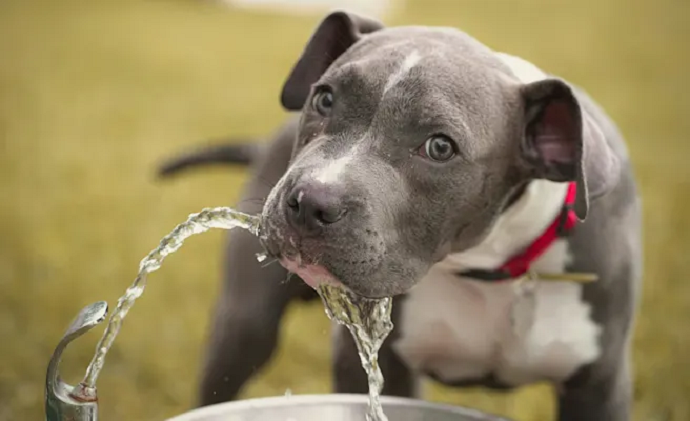
Thirst spikes in older dogs tend to catch owners off guard. Heat, food shifts, or extra movement might explain small changes but when gulping water becomes routine, deeper problems may be at play. Kidney trouble, blood sugar imbalances, or hormone disruptions show up this way in aging pets. Peeing nonstop often tags along with constant drinking. When both happen together, chances are high that illness not just getting old is driving it. Watching closely helps spot patterns sooner. A vet visit makes sense once habits shift like this testing finds answers faster.
What Is “Normal” Water Drinking in Dogs?
Puppies lap up more when the sun hammers down. A 10-kilo mutt might gulp half a liter, give or take, just moving through its day. Weight plays referee bigger bodies ask for bigger sips. Kibble eaters hit the bowl harder since their meals lack juicy bits. On muggy afternoons, tongues hang out longer, chasing relief. Food with salt spikes the urge to sip. Movement burns fuel, then paws head back to the dish.
Each dog tunes its rhythm differently heat, effort, what’s on the plate. Most crucial? Consistency. Your dog’s typical routine means more than precise amounts. When they start drinking noticeably more water especially if it keeps going up it’s off track. Older dogs showing this change need attention. It might point to something hidden inside their body. A vet should take a look.
Main Reasons Older Dogs Drink Excess Water
Thirst that won’t quit in older dogs? Could be kidneys slowing down, or maybe blood sugar acting up from diabetes. Sometimes it’s hormones running wild Cushing’s does that. Infections in the bladder sneak in too, pushing pups to lap more. Pills they’re on might crank up thirst as a side effect. Even what they eat, or hot days stretching on, plays a role. When gulping becomes constant, something deeper is usually brewing. A vet should take a look quiet signs like these rarely come alone.
Kidney Problems
Older dogs often see their kidneys work less well over time. That means junk builds up easier, fluids get harder to manage. Thirst climbs. So does bathroom trips. You might notice they eat less, drop pounds, seem worn out. Their breath could smell off. A big reason? Long-term kidney trouble shows up a lot in older pups.
Diabetes
Water escapes tissues when blood sugar climbs too high. A dog drinks more because of that shift, then pees much more often. This condition messes with energy use inside cells. Even if eating nonstop, some animals lose weight slowly. Left alone, problems stack up over time. Bad outcomes follow a path nobody wants.
Hormonal Conditions
Too much cortisol leads to Cushing’s syndrome. When levels rise, animals drink more, eat more, yet pee constantly. A rounded belly shows up alongside fragile skin and bald patches. Subtle shifts in mood or routine might be the first clues. Older dogs often hide symptoms until things worsen. Spotting it early helps because progression is gradual. Changes creep in without warning, watching matters closely.
Urinary Tract Infections
Bladder irritation hits when bacteria invade a dog’s urinary system. Suddenly, trips outside become urgent, sometimes messy inside the house. Peeing might look painful, like they’re trying hard but getting little out. Thirst climbs up, water bowls empty faster than before. Older animals face higher odds, yet it’s not just an age thing. Early vet visits often lead to medicine that clears it up well. Relief tends to come quickly once treatment starts.
Medication Side Effects
Thirst might rise in dogs on some meds, particularly steroids or diuretics. Fluid levels shift because of how these drugs work, which often means more water intake and bathroom trips. Should extra drinking start soon after a new pill begins, reach out to your vet – don’t adjust doses alone. Changes need professional guidance, even if the signs seem clear.
Diet and Lifestyle Factors
Water needs might go up when dogs eat dry food, get salty snacks, face heat, or move more. Most times, these causes pass without trouble. Yet, staying high once conditions shift could signal something inside needing a vet’s eye. A steady thirst beyond normal shifts isn’t always clear at first glance.
Warning Signs That Should Not Be Ignored
Water intake going up in senior dogs raises red flags if seen alongside visible shifts. Alongside this, look out for peeing more often or indoor messes, quick drops in body weight, or skipping meals. A few might seem oddly sluggish, shaky on their feet, or skip walks they once enjoyed.
Throw-ups, loose stools, or fur turning dull could point toward something serious underneath. Just as telling a steady jump in how much they drink, even when seasons change or food stays the same. Together, these signs might point to issues such as kidney trouble, diabetes, or shifts in hormone levels. A vet check early on helps – catching things fast tends to lead to better results, making a real difference in how well your dog feels day to day.
How Vets Diagnose the Cause?
When an older dog is drinking excessive water, veterinarians use a step-by-step approach to find the cause. They usually start with a physical examination and a detailed history of symptoms. Blood tests are commonly done to check kidney function, blood sugar levels, and hormone balance. A urine analysis helps detect infections, glucose, or signs of kidney disease. In some cases, imaging tests like ultrasound or X-rays may be recommended to look at internal organs more closely. Most of the time, these checks can spot problems like kidney issues, diabetes, or hormone imbalances. Spotting things early tends to matter a lot vets get moving faster on care, which keeps small troubles from growing into bigger ones.
Treatment Options Based on the Cause
Most times, what works comes down to what the vet finds behind the illness. Kidney trouble might need a specific food made for kidneys, along with medicine and fluid help. When diabetes shows up, shots of insulin often become part of life, paired with meals that fit the condition and frequent checks on sugar in the blood. With Cushing’s syndrome, drugs step in to slow the overactive hormone output.
Most urinary tract infections get handled using antibiotics, then checked later to confirm they’re gone. When medicine causes trouble, vets might tweak how much is given or pick a different one entirely. Problems tied to daily habits or meals shift with new foods, less salt, followed by steady water drinking. Spotting things early tends to ease discomfort, delay worsening, while lifting day-to-day living.
When to See a Vet Immediately?
Start watching closely when an older dog suddenly drinks much more water than usual. A trip to the vet becomes pressing if this change feels intense or comes with strange behaviors. Drinking without pause, needing the bathroom every hour, or soiling indoors despite past training can signal trouble. Weight slipping away fast, skipping meals entirely, constant sickness, or loose bowels also raise red flags. Staggering movements, blank stares, deep tiredness, or restlessness might point toward organ strain, blood sugar chaos, or hormone disruption. Seeing these together? That situation demands attention right away. Fast response matters since things might go downhill quickly in older dogs. When you get vet help early, it often keeps your dog steady, stopping serious issues from taking hold.
Conclusion
Thirst rising out of nowhere in an aging dog? That kind of shift needs attention. Heat or more exercise might explain a short spike, yet steady heavy drinking usually hides something deeper, such as failing kidneys, sugar imbalances, or messed-up hormones. Spotting odd patterns fast means better results down the road. When you start noticing how much they drink each day, plus signs like peeing nonstop, dropping weight, or dragging paws across floors, trouble could be brewing just under the surface. Help arrives through vet visits, clear answers follow tests, treatments adjust course and suddenly daily living gets easier again. A slower pace returns. Naps feel restful. Walks last longer.