Physical security equipment has evolved significantly from the bulky, restrictive protective gear of earlier decades. For professionals operating in high-risk environments, from private security contractors and close protection teams to humanitarian workers and individuals in politically sensitive regions, the question of personal and vehicle protection involves careful selection across a range of products, each rated for specific threat levels and contexts.
Levels of Physical Threat Protection
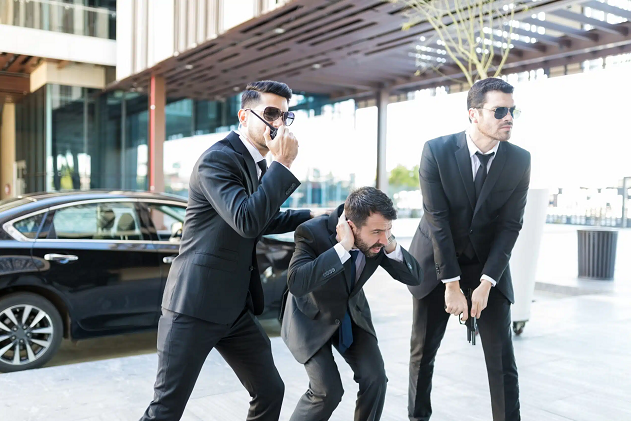
Protective equipment categories can be broadly divided into personal wearable protection and vehicle-based protection. Within personal protection, soft body armour addresses threats from handguns and most handgun calibres, while hard plate carriers add protection against rifle rounds and armour-piercing projectiles. Helmets, face protection, and limb protection form part of a full personal protection ensemble in the most demanding threat environments.
At the vehicle level, armoured vehicles provide ballistic protection for occupants during transit, which is critical for high-value individuals, diplomatic personnel, and security teams operating in elevated-threat environments. Those who need to find armoured vehicles alongside personal ballistic protection can source both from specialist defence equipment suppliers who also provide the technical knowledge to match products to specific threat assessments.
How Armoured Vehicle Protection Is Rated
Armoured vehicle protection levels follow specific international standards, including the European EN 1522/1523 standard and the American NIJ standard, though ballistic ratings for vehicles vary by component including glazing, body, floor, and roof. Modern light armoured vehicles are increasingly designed to be visually indistinguishable from standard executive vehicles, providing significant ballistic and blast protection without drawing attention. For personal protection teams, this balance of protection and discretion is often a primary operational requirement.
Personal Ballistic Clothing and Equipment
For individuals who require protection without the option of a full armoured vehicle, personal ballistic clothing has become substantially more wearable and concealable than its predecessors. Soft armour panels and integrated protective vests can be worn under standard business attire, providing meaningful protection against common threat calibres without the visual profile of traditional tactical gear.
Selection of appropriate personal protective equipment should always begin with a realistic threat assessment. Matching the protection level to the actual threat environment, rather than selecting the highest available protection, results in equipment that is genuinely wearable and practical over extended periods.
Frequently Asked Questions
Q: What is the difference between ballistic and blast protection?
A: Ballistic protection defends against projectiles from firearms. Blast protection mitigates the effects of explosive detonations, including overpressure, fragmentation, and thermal effects. Many high-threat vehicle specifications combine both.
Q: Are armoured vehicles legal for civilian ownership?
A: In most jurisdictions, yes, though specific regulations vary by country. It is the owner’s responsibility to verify applicable laws and import restrictions before acquiring an armoured vehicle.
Q: How do I assess the right level of protection for my situation?
A: A professional threat assessment conducted by a security consultant is the most reliable approach. This considers the specific threat actors, environment, and operational profile to identify appropriate protection levels and equipment types.
Q: What maintenance do armoured vehicles require?
A: Armoured vehicles require the same engine and mechanical maintenance as standard counterparts, plus periodic inspection of the ballistic components. Glazing and armour panels should be assessed for integrity following any incident or at scheduled intervals.
Q: Can personal ballistic protection equipment be worn all day?
A: Modern soft body armour is designed for extended wear. Comfort depends on fit, ambient temperature, and activity level. In hot environments, breathable carriers and moisture management is important for sustained wear. Properly fitted equipment makes a significant difference to long-term wearability.