Getting Tretinoin Without the Wait: What to Know About This Prescription Skincare Standard

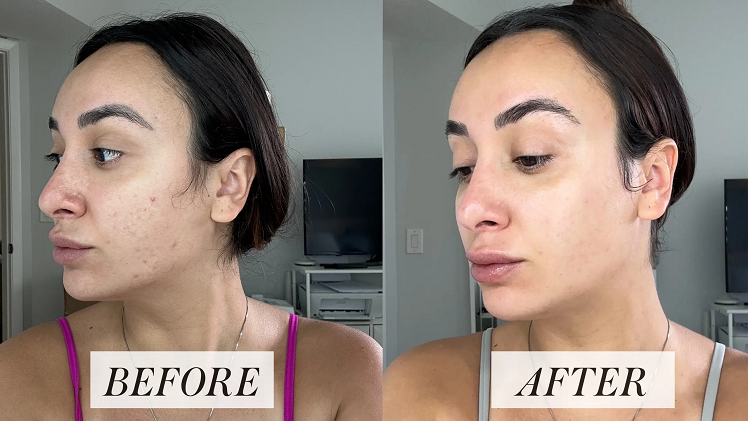
For anyone who has spent meaningful time learning about skincare ingredients, tretinoin appears early and often. It is referenced by dermatologists, backed by decades of clinical research, and recommended by skin specialists as one of the few topical ingredients with genuine, reproducible results for both acne and skin aging. It is also a prescription medication, which has historically been the main barrier to access for people who do not have quick access to a dermatologist.
That barrier has become less fixed with the growth of telehealth, and more people are now able to get tretinoin reviewed and prescribed through online consultations. Understanding what the medication actually does, how to use it correctly, and how the online prescription process works helps anyone considering it make a more informed choice.
What Tretinoin Is and Why It Has Lasted So Long
Tretinoin is a retinoid, a class of compounds derived from vitamin A. It is the biologically active form of retinoic acid, which means it works directly at the receptor level in skin cells without requiring conversion the way over-the-counter retinol does. This is the primary reason tretinoin is more potent than non-prescription retinol alternatives, and why it tends to produce more noticeable results on similar timelines.
It was originally approved by the FDA for treating acne, where it works by speeding up cell turnover and preventing the buildup of dead skin cells that clog pores. In the decades since that initial approval, its use has expanded significantly. Dermatologists have prescribed it off-label for anti-aging purposes including reducing fine lines and wrinkles, improving skin texture and tone, fading dark spots from sun damage or post-acne hyperpigmentation, and stimulating collagen production in the dermis.
The durability of tretinoin’s reputation in dermatology comes from evidence that has accumulated over more than fifty years of clinical use. It is not a trending ingredient that arrived with social media. It is a medication that practitioners have been using successfully for generations, and the research base supporting it continues to grow.
How It Works in the Skin
Tretinoin accelerates the natural cell renewal cycle. Without treatment, skin cells take roughly a month to migrate from the deeper layers of the epidermis to the surface, where they eventually shed. Tretinoin speeds this process by binding to specific receptors in skin cells and signaling them to divide and migrate more quickly.
The effects of this acceleration are several. In pores, faster cell turnover means dead skin cells are cleared before they accumulate and combine with sebum to form blackheads or trigger inflammatory acne. At the surface, the more rapid replacement of older cells with newer ones creates a smoother texture and more even tone over time. In the deeper layers of the dermis, long-term tretinoin use has been shown to stimulate the production of collagen, the structural protein that gives skin its firmness. As collagen production naturally declines with age, this effect contributes to the anti-aging outcomes that many users value most.
Available Concentrations and Starting Points
Tretinoin is typically prescribed at one of three concentrations: 0.025%, 0.05%, and 0.1%. Most providers recommend starting at the lowest concentration, particularly for new users, because the skin requires an adjustment period regardless of concentration and starting lower reduces the intensity of that adjustment.
The adjustment period, often called the purging phase, involves the skin reacting to the accelerated cell turnover in ways that can be temporarily uncomfortable. Dryness, flaking, redness, and an initial increase in breakouts are common. The breakout component happens because the increased turnover brings existing congestion to the surface faster than it would have appeared on its own. This phase typically runs four to eight weeks. Many users who stop during this period miss the improvement that follows it.
Getting a Prescription Without an In-Person Appointment
Accessing online prescription tretinoin cream through Wisp involves an intake process that replaces the traditional in-person dermatology visit. You complete a medical intake form covering your skin concerns, medical history, and any medications you are taking. A licensed provider reviews that information and determines whether tretinoin is an appropriate treatment for you. If it is, they issue a prescription that is sent to a pharmacy or directly to you depending on the service model.
Wisp offers tretinoin at concentrations of 0.025%, 0.05%, and 0.1%, with starting prices from $28 per month. The platform is designed for people who want access to prescription skincare without the time and cost of a dermatology appointment. The intake process is asynchronous, meaning you do not need to schedule a video call at a specific time, which removes one of the main friction points of telehealth for people with busy schedules.
Wisp has treated more than 1.8 million patients and operates with a network of board-certified providers. The platform accepts FSA and HSA payments for prescription products, which can make the cost more manageable for people with those accounts.
How to Use Tretinoin for Best Results
A pea-sized amount is all that is needed for the entire face. Applying more does not accelerate results and increases irritation risk. Tretinoin should be applied to dry skin in the evening, as UV exposure can degrade the molecule and because the skin’s own repair processes are more active at night.
The most important companion product to tretinoin is a broad-spectrum sunscreen, worn every morning without exception. Tretinoin increases the turnover rate of surface skin cells, which means the newer cells underneath are closer to the surface and more vulnerable to UV damage. Skipping sunscreen while using tretinoin can increase sun sensitivity and counteract the collagen-building and complexion-improving effects you are working toward.
Moisturizer helps buffer irritation. The common approach is to apply tretinoin first, wait for it to absorb, then apply moisturizer, though some people use moisturizer first as a barrier layer and apply tretinoin on top. Both approaches work, and finding the one your skin tolerates better is a reasonable process of trial and adjustment.
Results are gradual. Visible changes in skin texture and acne typically appear around the three-month mark for most users. Changes in fine lines and skin tone usually take six months or longer to become pronounced. Tretinoin is a long-term commitment rather than a quick fix, and users who approach it with realistic expectations tend to be more consistent, which is directly correlated with better outcomes.
Frequently Asked Questions
Is tretinoin the same as Retin-A?
Retin-A is a brand name for tretinoin cream. Generic tretinoin contains the same active ingredient and works the same way. Wisp prescribes generic tretinoin cream, which is therapeutically equivalent to Retin-A.
Can I get tretinoin online without visiting a doctor in person?
Yes. Telehealth platforms like Wisp allow you to complete a medical intake process online, have your information reviewed by a licensed provider, and receive a prescription if appropriate, without an in-person appointment.
How long before I see results from tretinoin?
Most users notice improvements in skin texture and acne around the three-month mark. Improvements in fine lines, dark spots, and skin tone typically become more noticeable after six months of consistent use.
What is the purging phase?
The purging phase is an initial period of four to eight weeks during which increased cell turnover brings existing clogged pores to the surface, temporarily increasing breakouts and causing dryness and flaking. It is a normal part of the adjustment process and typically resolves as the skin adapts.
What concentration of tretinoin should I start with?
Most providers recommend starting with 0.025%, the lowest available concentration, to allow the skin to adjust. Higher concentrations can be introduced over time if tolerated and if clinical results support it.
Is tretinoin safe for long-term use?
Yes. Tretinoin has decades of clinical use supporting its safety profile for long-term application. It is not appropriate during pregnancy, and a provider will review your medical history before prescribing.
Can tretinoin be used for both acne and anti-aging?
Yes. Tretinoin is FDA-approved for acne treatment and is also widely prescribed off-label for anti-aging purposes including reducing fine lines, improving texture and tone, and stimulating collagen production.