Why Are More And More Architecture and Interior Design Firms Starting to Rely on AI 3D Generators?

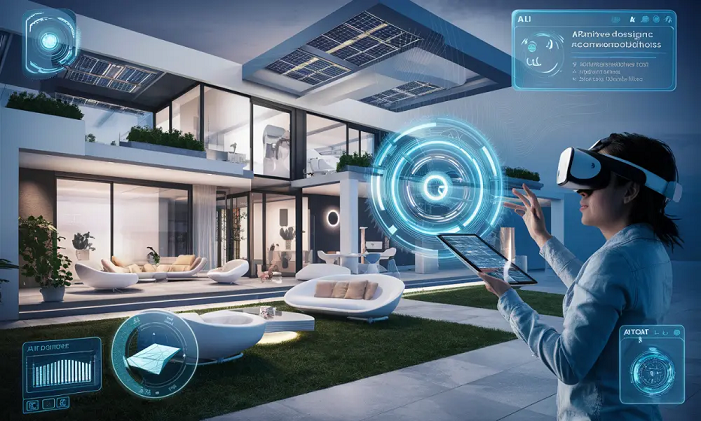
The architecture and interior design industry’s digital transformation is at a pivotal point. For many years, the design industry’s methods of presenting their ideas have been on traditional grounds, including sketches, physical models and still images. As there has been more competition within the marketplace, these methods no longer provide acceptable levels of speed, interaction and immersion for today’s customers’ expectations. The AI and 3D Rendering technologies will be the primary drivers of different standards for the Architecture and Interior Design industry.
By using AI 3D Generator tools, design teams are able to reduce the length of time involved in their design cycles, decrease the costs involved in visualizing designs and create spatial solutions that better represent real life than have previous methods of visualizing designs. This leads to greater efficiencies, better communications with clients and increased competitiveness for Architecture and Interior Design firms.
In addition to reviewing a set of floor plans, today’s clients want to get a feel for what their future space will be like before construction begins. The trend towards the use of immersive visual experiences in design is growing and will soon replace the static visualizations that have previously been the norm in the design industry.
Why Are AI 3D Models Becoming a New Favorite in the Architecture and Design Industry?
Many modern architectural & interior design efforts include several parties that are involved with each other who generally do not have the necessary experience/knowledge in the type of project that they are undertaking together. Therefore, misunderstandings between these parties have historically contributed to a large percentage of project delays, rework, and cost overruns. However, AI-based 3D Modeling is now helping these parties work through the misunderstanding issues. AI generates 3D Models very quickly based on basic design concepts, which enables all of the parties to better understand how the design will ultimately look and function, leading to lower communication/time costs and fewer misunderstandings.
The other significant value that AI 3D Generators provide businesses, in addition to their aesthetic appeal, is a substantial improvement in productivity. The amount of time required for Manual Modeling & Rendering, previously taking several days to complete, can be completed in a fraction of that length of time today. Thusly, design teams are better able to manage multiple projects at one time while maintaining their high level of quality and professionalism.
Enhance Customer Engagement And Spatial Imagination
2D drawings and static visualizations often have clients relying on their imagination to comprehend how a future space will look. Even with experience in design, quickly and truly understanding the scale of the expanse, the variations of light and the overall mood of space remain challenging to establish from the floor plan alone. For this reason, it is not uncommon for clients to find various design-diverging elements in the project’s later stages.
With the introduction of immersive 3D visuals through artificial intelligence technologies, clients can not only “see” the design scheme ahead of time, but also gain a more intuitive experience of the materials, furniture arrangement, lighting, and spatial flow. This interactive experience is proven to increase engagement from clients, making it easier for them to provide feedback as well as identify alterations or modifications they wish to see made to their project.
On the design side, when clients are engaged at a higher level, they—and designers—can expect to see a smoother design process. Enhanced engagement from clients leads to greater understanding of the designers’ intent; thus eliminating the instance of miscommunication and accelerating the approval process for the design. Compared to the traditional design and presentation methods, the use of AI 3D technologies in the architectural and interior design firms can improve both the ways in which clients can comprehend the final products, as well as streamline clients’ trust and excitement about the project.
Cost Optimization for Both Businesses And Customers
These effectiveness gains will frequently produce cost savings that are realistically long term. Team members will finish modeling, rendering and design changes more quickly and will therefore have additional time available to spend on creativity or project communications.
The image to 3D conversion tools that exist today are also impacting how traditional design workflows are done. Designers can produce 3D spatial effects very quickly from a reference image, significantly reducing pre-production time and providing clients with a better understanding of the design.
Additionally, working with the images provides teams with a more accurate representation of the design than is possible through their existing methods, allowing them to identify potential issues before construction begins. Spatial layouts and design elements can be evaluated and optimized earlier in the design process, mitigating the need for rework and budgetary impact further along in the process.
Lowering the Barrier to Entry for Traditional Animation and Rendering Production
Traditional 3D Modeling And Rendering Workflows Can Be Complex With Specialized Software, Equipment, And Skilled Designers Being Required. Each Of The Steps In The Modeling And Texturing Process, Lighting And Materials Adjustments All Take A Large Amount Of Time And Effort Therefore It Is Very Difficult For A Lot Of Small And Medium Teams To Use High-Quality 3D Images On A Regular Basis.
However, With The Help Of AI 3D Image Generation Technology Barriers Are Lowered. Using Intelligent Modeling And Text To 3D Conversion Design Teams Are Able To Create Spatially Accurate 3D Effects Much Faster And Eliminate The Need For Laborious Traditional Production Processes. From Quick Conceptual Sketches To Ordinary Reference Images, They Can Quickly Turn Any Image Into A Socialeffeciently Accurate 3D Representation.
As An Outcome Of This Transition In The Industry, More Companies Can Obtain Professional Level 3D Images Because Of Increased Effectiveness And Reduced Costs. Design And Rendering Solutions That Used To Only Be Invested In By Larger Companies Are Sufficiently Increasing In Popularity Among Developers Of Architecture, Interior Design And Real Estate образцах.
More Efficient International Design Communication
Collaboration across regions and time zones is becoming more common for architecture and interior design projects. Traditionally, complex drawings have been the primary form of communicating design ideas to collaborators. This method can create misunderstanding amongst collaborators from different countries with different work experiences and expertise.
The AI 3D Generator is revolutionizing the way these design teams communicate through the use of more realistic and easily understood visualizations in 3D. Compared to abstract CAD drawings, these real-world models make it easier for designers, contractors, and their clients to find common ground.
Supports Quick Switching Between Multiple Styles And Spatial Experimentation
Repetitive modelling, redesigning, rendering, fixing material, and ringing up endless amounts of hours for each change are the norm when using a design workflow to create something in an established design style. Every time we modify anything in an established design style it will take an enormous amount of time and energy away from our design team. It is also very time-consuming for us to explore design solutions.
AI 3D image generation has fundamentally shifted the workflow for designers, with the presentation of a multitude of possible style variations now possible through the AI 3D Generator. Design teams can very quickly switch up the spatial style, colour scheme, or material options of a room or building while reducing how many reference images are needed to provide enough variations to evaluate various creative approaches to the design.
The ability to rapidly evaluate creative direction allows designers and clients to more intuitively compare various design solutions. In the past teams would have been limited to provide a limited number of final images, or renderings, now teams can quickly generate a multitude of visual styles of the same space thereby allowing the client to easily find their preferred design direction that most closely matches their unique specifications and visual preferences.
Why Can’t We Ignore the Transformative Power of AI in 3D?
The architecture and interior design sectors are undergoing a transformation in how they visualize projects. While traditional drawings and static renderings were once adequate for showing clients what they could expect from their projects, today’s consumers demand a more realistic, dynamic, and interactive experience of the space they would be using.
Companies that continue to follow traditional work processes will slowly but surely fade from the competitive landscape. Teams that employ AI 3D visualization technology have the advantage of being able to show clients their ideas in a shorter amount of time and communicate efficiently with them, resulting in a more memorable project experience.
With the continuing rise of new industry standards, AI 3D technology is increasingly becoming less of an “innovation option” and more of an accepted form of doing business within the field. Therefore, by transitioning quickly to this new form of business operation, companies stand a better chance of getting ahead of the competition.
Final Thoughts
The architectural and design sectors are about to go through a change as they will enter an AI-driven era. For many years, the majority of firms in this industry relied heavily on their creativity and past experience for core clientele- now, however, the industries focus has shifted to include efficiency, visualisation and client experience.
AI 3D platforms are assisting firms to completely change the way they design. The efficiency with which solutions can be produced and presented to clients, the ease of which companies can collaborate and market, is rapidly becoming standard in the industry.
The evolving nature of the marketplace has resulted in AI 3D technology being made accessible to more than just a few select, leading-edge companies; it has become the primary avenue through which companies will upgrade their business. Companies that can implement AI-based workflows quickly will be able to maintain the top position in one of the most competitive industries.