However, open highways, mountain campgrounds, lakeside sunsets, and the freedom to hit the road without a hotel reservation have helped make RV culture one of the most visible aspects of travel on America’s roads. Whether it is due to growing work-from-home and vacationing patterns or an immense revival in outdoor activities, RVs have changed the face of leisure travel, from luxury motorhomes loaded with new technology to small-trailer camping designed for weekend getaways. So, there is a simple travel concept behind the trendy abbreviation mobility, comfort, flexibility, and life on wheels.
What Does RV Stand For?
RV stands for “Recreational Vehicle.” This term describes motorized or trailered vehicles for travel, temporary living, camping, and recreational use. RVs are basically vehicles that serve as both transportation and living space, so travelers can sleep and cook inside the vehicle while on the road.
There are great differences in size and facilities among the different types of recreational vehicles. Some are compact camper vans designed for weekend road trips, while others are massive luxury motorhomes equipped with kitchens, bathrooms, bedrooms, and living rooms. RVs are used for vacations, camping trips, long-distance journeys, and sometimes even as a permanent residence!
Why Are They Called Recreational Vehicles?
The term means both leisure and tourism. The vehicles were originally intended to help people get around comfortably while engaging in outdoor recreation activities like camping, fishing, hiking, and road trips.
As RVs became more popular across North America, the term gained traction. As the decades progressed, RVs grew from basic trailers to modern travel units loaded with comforts close to those of standard houses. Its name clearly conveys the notion of travel that mixes transport and leisure-focused experiences.
How Popular Are RVs Today?
RVs have gained great popularity among travelers, families, retirees, and remote workers. This works especially well for people who like to travel without hotels and strict schedules. On a larger scale, RV ownership supports outdoor lifestyles and road-trip culture.
As more people become interested in mobile travel, modern RV parks, campgrounds, and travel communities continue to grow. Some RVs are for vacation use only, and some are for full-time living as a lifestyle choice.
Types of RVs
RVs are grouped into two basic categories based on how they move: motorized and towable. The former ranges from motorized models with engines to towable rigs that must be pulled by another vehicle, such as a truck or SUV.
We’re going to go over the advantages of all different types of RVs based on size, comfort, price, mobility, and itinerary. The right RV often comes down to your budget, how often you plan to travel, and your lifestyle preferences.
Motorhomes
Motorhomes are essentially self-contained recreational vehicles with their own engines integrated directly into the unit. They blend both driving control and living space, which makes them one of the most convenient RV types for long-distance travel.
Full-featured motorhomes like this often have beds, kitchens, bathrooms, closets, and sitting areas. Motorhomes range from a camper van to a bus, with all the luxuries and space to live well.
Travel Trailers
Travel trailers: These are towable RVs that are attached to another vehicle via a hitch system. There is a wide variety of types available, with different sizes and layouts. This has made them a popular choice for families and campers.
Travel trailers can be disconnected once parked at a campsite, allowing travelers to use their tow vehicle as a means of transport on its own, unlike motorhomes. This versatility attracts those looking for easier movement once the camp is set up.
Fifth-Wheel RVs
Fifth-wheel RVs are large towable trailers that connect to pickup trucks with a special hitch mounted in the bed. These RVs are generally much bigger and can pack in high-end features more closely resembling fixtures from an apartment or home.
Most fifth-wheels come with multiple slide-outs, sizable kitchens, and divisions between the bedroom and the living space. They offer more stability while towing than standard travel trailers.
Classes of Motorhomes
Motorhomes are classified as Class A, Class B, and Class C. Each class differs in size, style, cost, and travel purpose.
Motorhome classes make it easier for a prospective RV owner to compare comfort levels, maneuverability (specifically the turning radius), and storage capacity before purchasing or renting an RV for travel.
Class A Motorhomes
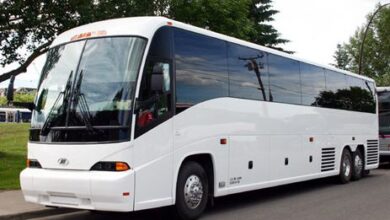
Class A motorhomes are the big boys of RVs! Most look like buses with large living spaces, luxury furnishings, and high-end features.
This may include a fully equipped kitchen, a large bathroom, an entertainment center, and even multiple sleeping areas in some RVs. Tan Endeavor Class A models are extremely common with many long-term travelers and full-time RVers.
Class B Camper Vans
Class B RVs are smaller, camper vans built on standard van chassis. They are convenient for on-the-go use, but still include beds and small kitchen areas.
Being smaller makes them a little better on gas and much easier to park than bigger RV classes. Class B vans are popular with solo travelers and couples for on-the-go road travel.
Class C Motorhomes
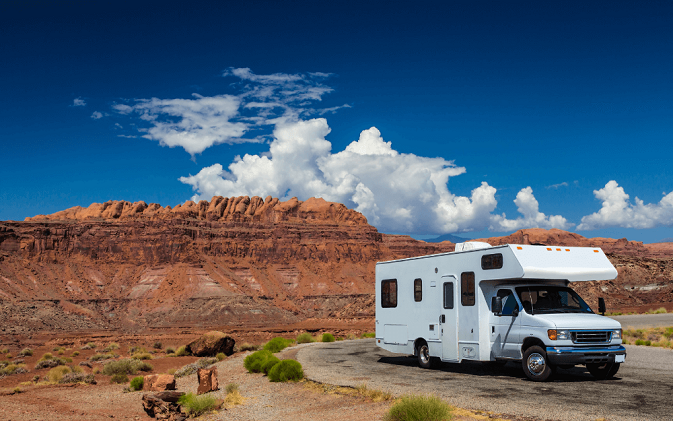
Class C motorhomes are mid-size RVs, identifiable by the sleeping area that extends above part of the driver’s cabin. The interiors often compare well to full-blown Class A luxury coaches and yet offer better drivability than larger Class As.
These vehicles are affordable alternatives to top-end motorhomes and appeal to families due to their extended sleeping areas. Because of their size, they are also easier for novices to drive.
Main Features Inside an RV
Most modern-day RV features are designed to ensure comfort on your trip. An RV could have kitchens, bathrooms, sleeping areas, climate control systems, and entertainment technology, depending on the size and price point.
Higher-end models are outfitted with luxury appliances and residential-style interiors. Compact RVs are heavier on space-saving efficiency and practicality for the ride.
RV Kitchen Systems
Several Recreational vehicles arrive with kitchens complete with refrigerators, sinks, microwaves, and stovetops, as well as storage cabinets. It enables travelers to prepare meals, thereby avoiding the food bills associated with eating out.
The size of a kitchen depends on the type of RV you have. Large motorhomes can have full-on residential appliances built in, while compact camper vans typically feature simplified cooking facilities made for small spaces.
RV Bathrooms and Showers
Almost all larger travel units come with bathrooms. Such bathrooms can include toilets, sinks, and showers connected to on-vessel water storage systems.
Some small RVs feature a space-saving wet-bath layout, with the shower and toilet sharing the same area. Having bathroom facilities along the way is convenient, whether for a long-distance trip or a stay at the campgrounds.
Sleeping and Living Areas
Most RVs have beds, fold-out furniture, and a few recliners for comfort and sleeping. Larger models frequently offer additional privacy and comfort with separate bedrooms.
The living regions can likewise comprise dining tables, TVs, sofas, and storage units. Configurations are based on comfort while traveling in a limited area.
Why People Buy RVs
There are many reasons people buy RVs, ranging from travel freedom to outdoor adventure to vacationing with family, or having the flexibility of lifestyle. With RV travel, individuals create their own travel plans while placing minimal reliance on hotels or airline flights.
Some RV owners take them out for the occasional weekend camping trip, whereas others travel full-time with their RV across different states or abroad. Welcomes a lifestyle that values mobility and outdoor experiences.
Road Trip Flexibility
RVs are the buzz; they can travel from here to there without hard-and-fast reservations. Sedans can pull up at campgrounds, parks, beaches, or picturesque locations at any point during their journey.
This freedom is a huge draw for those in the adventure travel space and for families looking to take more control over their vacation schedules. An RV trip tends to be more flexible than other types of travel.
Outdoor Lifestyle Appeal
Many RV owners enjoy outdoor activities like hiking, fishing, boating, and camping. RVs are useful for accommodation and storage while also facilitating leisure travel.
That’s how campgrounds and RV parks provide social opportunities, places where travelers can meet and connect with like-minded others. The RV life often includes travel, the great outdoors, and interacting with locals.
Full-Time RV Living
Some people simply live full-time in their RV, rather than their conventional house. RVs are sometimes used continuously by people who work remotely, retirees, and travel aficionados as a permanent mobile home.
Thanks to modern RV technology and internet capabilities, millions can work from home, the beach, or a campground, harnessing the sun with portable power systems. In recent years, full-time RV living has grown massively.
RV Travel Costs
Traveling by RV incurs different costs depending on the size of the vehicle, fuel consumption, camping fees, maintenance, and distance traveled. Is there any point to owning an RV when you can still get pesky operating costs, even if RV travel can save on hotel bills?
Before you buy or rent an RV, there are a few key elements to consider when budgeting. When assessing how affordable travel is overall, travelers should consider insurance, repairs, fuel, and campsite expenses.
Fuel and Maintenance Costs
Traveling long distances in a large motorhome can chew through the fuel. The thing here is, you must realize that repair costs can go up as well, because RV systems mesh aspects of both automotive and residential-style equipment.
Tires, engines, plumbing systems, and electrical systems are all a part of the routine service. Proper upkeep helps improve reliability and long-term vehicle performance.
Campground and Parking Fees
Many RVers will purchase spaces at campgrounds or RV parks that offer electrical connections, water, showers, and waste-disposal stations. These centers could be either night, 7-day, or even month-to-month fees.
Relying on the size of your RV and location, parking can be a burden. Urban centers can limit the size of vehicles that can park there, which is why planning campgrounds on road trips is essential.
Advantages of RV Travel
RV travel has many benefits; it is flexible, convenient, and gives comfort. Travelers can carry their belongings, prepare meals, and sleep in a familiar environment while visiting various locations.
Also, most people can travel with family members or pets in a far more comfortable way than with traditional travel methods or many others. RVs offer a custom living experience on wheels.
Comfort During Long Trips
RVs eliminate the need for frequent hotel check-ins and dining experiences. Travelers can sleep, eat, and prepare their luggage separately in this travel space throughout the journey.
Long car rides might be a little easier since travelers have those consistent, prominent things to focus on. Families particularly liked having options for sleeping and dining while traveling on board.
Pet-Friendly Travel
A significant number of RV owners travel with animals because RVs offer greater flexibility than hotels or flights. Animals can stay in a comfortable, familiar environment while traveling with their owners on outdoor adventures or road trips.
As most campgrounds accept pets, RV travel can be appealing to animal lovers. Pets in the vicinity while traveling may also ease stress for pet owners and their animals.
Challenges of Owning an RV
Owning an RV offers the freedom and adventure of travel, but it also entails certain responsibilities, especially during non-traveling times when maintenance, storage, driving, and operation can become costly.
Learning about these struggles helps make realistic decisions before owners turn into RVers or prepare long-distance travel plans.
Large Vehicle Handling
Yes, driving huge RVs is scary for newbies. Wide turning circles, parking challenges, and highway wind resistance all require additional diligence and a bit more practice on the road.
Perhaps newer owners may find managing a smaller RV model comparatively easier. Experience and growing knowledge of how to gauge where that tank I call a car ends generally lead to improved driver confidence.
Storage and Parking Issues
When it comes to off-season parking, the RVs suck up a great deal of space. Certain areas prohibit parking RVs due to size restrictions or homeowner association regulations.
If you run into storage facilities designed specifically for RVs, they may charge a monthly fee. You may need to map out how you plan to store your car safely without any issues during the off-season.
Repair and Maintenance Responsibilities
RVs have engines, plumbing systems, electrical wiring, appliances, and water systems that require maintenance. The age and complexity of the vehicle may lead to expensive repairs.
Scheduled maintenance prevents major mechanical or water damage issues down the road. Good maintenance is essential for safety and for reliable long-distance travel.
RV Technology and Modern Features
Modern RVs are equipped not only with technologies intended to enhance comfort, but also with those designed for safety and convenience. Most new models integrate traditional travel features with smart-home style systems.
HVCCTechnology advances are enabling RV living to become more practical, for both full-timers and travelers who enjoy spending weekends or vacations away from home. Digital systems also enhance entertainment and working from home.
Solar Power Systems
Many RV owners use solar panels to generate electricity while on the road. Solar systems’ dependency on campground hookups is reduced as they help power lights, appliances, and electronic devices.
In particular, it is useful for remote travel locations and off-grid camping. They can also spare you from using your generator and help you maintain energy independence during your trips.
Internet and Remote Work Setup
Reliability of internet access has proven to be a key concern for RV users. While on the road, lots of RV owners rely on mobile hotspots, satellite internet, or campground Wi-Fi.
The rise of remote work options has made it even more likely that people will work and live in their RVs simultaneously. Workstations, charging ports, and tech-friendly interiors are common features in new RV setups.
RV Safety Tips
Traveling safely in an RV is possible when you plan your route well and follow good driver habits. With larger vehicles, changing road conditions, and systems located on the vehicle itself, extra care is required during travel.
With thorough checks and responsible driving, it minimizes the likelihood of an accident while also making travel more reliable and safe for passengers.
Checking Tires and Brakes
Check tire pressure and brake systems before hitting the road. Because RVs are so heavy, tire and braking performance are critical to highway safety.
Old tires and neglected brake systems could heighten the chances of a collision—pre-travel maintenance inspections for the vehicle (which help increase overall reliability and road safety).
Balancing RV Weight
Weight distribution influences RV handling and stability. Weight distribution can increase the risk of rollover or cause excessive stress on tires and suspension systems.
Manufacturers’ weight guidelines are to be adhered to closely by owners. Properly balancing cargo benefits, driving control, and overall travel safety.
Future of RV Travel
As technology, tourism, and remote work lifestyles spread worldwide, RV travel is constantly changing. It has also led to the creation of many manufacturers that now focus on fuel efficiency and sustainability, as well as incorporating smart technology into new RV designs.
A greater demand from younger travelers and digital nomads is also fueling the growth of RV popularity. The ever-increasing demand for recreational vehicles worldwide is driven by flexible travel lifestyles and outdoor recreation trends.
Electric RV Development
Various manufacturers are working on different electric RV technologies to help lower fuel consumption and the carbon footprint. Improvements in battery technology could facilitate the growth of electric systems.
While charging infrastructure and travel range are challenges that electric RVs will likely have to address until they become viable options, innovation continues to make progress in the recreational vehicle industry.
Growth of RV Communities
RV communities and social groups are developed online, through travel clubs and campground networks. RVers exchange route advice, upkeep info, plus camping sites.
This close-knit community culture is a great boon to those just starting an RV lifestyle. Modern RV culture still involves shared experiences and connections through travel.
Wrapping Up
RVs represent far more than vehicles designed for transportation. They expand the boundaries of movement, comfort, and travel, blending into a way of traveling that keeps rocking families, pensioners, digital workers, and nature lovers globally. From small camper vans to high-end motor homes, recreational vehicles are travel solutions that fit individual timelines and target locations.
Given how RV technology continues to improve, the lifestyle becomes even more practical for long-distance travel and mobile living. From summery camping jaunts to full-time road living, RVs are revolutionizing how the public travels, works, relaxes, and lives between all four traditional borders.
Frequently Asked Questions
What does RV stand for?
A recreational vehicle (RV) is a motor vehicle or trailer that includes living quarters designed for accommodation.
What are the main types of RVs?
There are primarily four types: motorhomes, travel trailers, fifth-wheel trailers, and camper vans.
What is the difference between Class A and Class C RVs?
Class A RVs are larger luxury motorhomes, while Class C RVs are mid-sized models with over-cab sleeping areas.
Can an RV be lived in full-time?
Yes, full-time RV living is typically very different from part-time RV travel and the quest for mobile street lifestyles.
Do RVs have bathrooms and kitchens?
Depending on their layout, many include bathrooms, kitchens, beds, and living quarters.
Are RVs expensive to maintain?
Maintenance is always individual, but it can be much longer and more expensive with fuel, breakdowns, tires, campgrounds, etc.
Can RVs use solar power?
Fortunately, modern RVs use solar panel systems to generate electricity while traveling and while off-grid camping.
Why do people buy RVs?
Everyone buys RVs for a road trip here and there, some outdoor adventures, and at least on occasion to live somewhere more flexible.