Life rarely follows the path we expect. Plans change, relationships evolve, careers take unexpected turns, and challenges often arrive without warning. While we cannot control everything that happens to us, we can develop the ability to respond with resilience instead of becoming overwhelmed.
Emotional resilience is not about pretending everything is fine or ignoring difficult emotions. It is the ability to face adversity, adapt to change, and continue moving forward even after experiencing disappointment, stress, or hardship.
Like any valuable skill, resilience can be strengthened over time. Small daily habits, healthy relationships, and a willingness to learn from life’s experiences all contribute to becoming more emotionally resilient.
Resilience Is Built, Not Born
Some people appear naturally resilient, but appearances can be misleading.
Most resilient individuals have developed their strength through experience. They’ve faced setbacks, learned difficult lessons, and gradually built confidence in their ability to overcome challenges.
Every obstacle provides an opportunity to develop qualities such as patience, perseverance, adaptability, and emotional maturity.
Rather than viewing resilience as a personality trait, it’s more helpful to think of it as a skill that grows through practice.
Accepting That Challenges Are Part of Life
One of the biggest obstacles to resilience is believing that life should always be easy.
Every person will eventually encounter disappointment.
Careers change.
Friendships end.
Unexpected health issues arise.
Financial difficulties happen.
Family relationships become complicated.
Accepting that challenges are a normal part of life doesn’t make them enjoyable, but it can reduce the shock when they occur.
Instead of asking why difficulties exist, resilient people focus on how they can respond in healthy and productive ways.
Developing Healthy Daily Habits
Emotional resilience isn’t built only during difficult times.
It’s strengthened by the routines we maintain every day.
Simple habits can significantly improve our ability to handle stress, including:
- Getting enough quality sleep.
- Exercising regularly.
- Eating nutritious meals.
- Spending time outdoors.
- Maintaining meaningful relationships.
- Setting aside time to relax and recharge.
When our physical wellbeing is neglected, emotional challenges often feel much larger than they really are.
Taking care of ourselves provides a stronger foundation for handling life’s inevitable pressures.
Learning to Focus on What You Can Control
When difficult situations arise, it’s easy to become consumed by things outside our control.
We worry about other people’s decisions.
We replay past mistakes.
We imagine future problems that may never happen.
Resilient people learn to separate what they can influence from what they cannot.
While we cannot control every circumstance, we can control our attitude, our effort, our responses, and the choices we make moving forward.
Directing energy toward these areas often leads to better outcomes and greater peace of mind.
The Importance of Strong Relationships
No one is designed to handle every challenge alone.
Supportive relationships provide encouragement, perspective, and practical help during difficult seasons.
Whether it’s family members, close friends, mentors, or members of a community group, having trusted people to talk with can make a significant difference.
Strong relationships also remind us that asking for support isn’t a sign of weakness.
It’s part of being human.
Investing in healthy relationships before difficult times arise creates a valuable support network when challenges eventually come.
Finding Purpose During Difficult Seasons
Hardship often causes people to question their direction.
While it’s natural to feel uncertain during challenging periods, many people eventually discover that adversity helped clarify what truly matters.
Some begin prioritising family over work.
Others develop greater compassion for people facing similar struggles.
Some discover new passions or opportunities they never would have considered otherwise.
Difficult experiences don’t automatically create growth, but they often provide opportunities for meaningful reflection and personal development.
Practising Self Compassion
Many people speak to themselves far more harshly than they would ever speak to someone they care about.
Mistakes become evidence of failure.
Setbacks become proof that they’re not capable.
This kind of self criticism drains confidence and makes recovery more difficult.
Practising self compassion doesn’t mean avoiding responsibility.
It means recognising that everyone experiences setbacks and treating yourself with the same patience you would offer a friend facing similar circumstances.
Kindness toward yourself often creates greater resilience than constant self criticism.
Small Progress Still Counts
During difficult seasons, it’s easy to become discouraged because progress feels slow.
However, resilience isn’t measured by giant leaps forward.
It’s often built through small, consistent steps.
Getting out of bed when you don’t feel like it.
Completing one important task.
Going for a short walk.
Making one healthy decision.
Reaching out to someone you trust.
These actions may seem insignificant, but they create momentum.
Over time, small improvements often lead to meaningful change.
Growth Doesn’t Always Feel Comfortable
Many of the experiences that help us grow are uncomfortable.
Learning new skills.
Having difficult conversations.
Accepting constructive feedback.
Facing uncertainty.
Taking calculated risks.
While comfort feels safe, growth usually happens just outside our comfort zone.
Resilient people gradually become more comfortable with temporary discomfort because they recognise it often leads to long term improvement.
Recognising When Additional Support Is Helpful
Although resilience involves developing personal coping skills, there are times when life’s challenges become too overwhelming to navigate alone.
After particularly distressing or life-changing experiences, some people benefit from working with professionals who have specialised training and experience helping individuals process significant emotional events.
If you’re interested in learning more about structured approaches that support recovery after serious life experiences, this guide to Intensive Trauma Therapy explains how focused treatment programs can help people move forward when traditional approaches may not be the right fit.
Building Resilience for the Future
Resilience isn’t about becoming immune to hardship.
There will always be moments that test your patience, your hope, confidence, and emotional strength.
The difference is that each challenge provides another opportunity to grow.
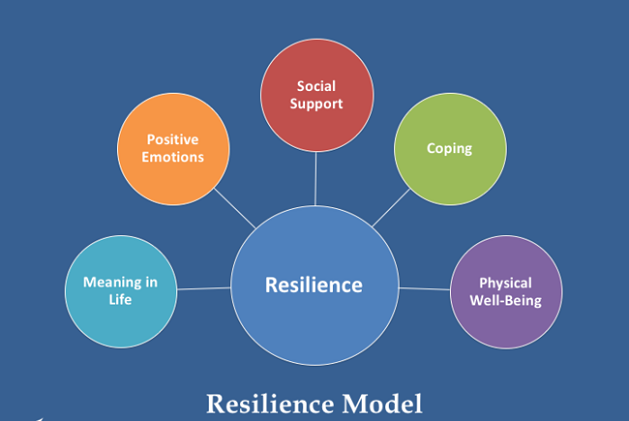
By maintaining healthy habits, investing in meaningful relationships, focusing on what you can control, practising self compassion, and remaining open to learning from life’s experiences, you gradually build the inner strength needed to face future obstacles with greater confidence.
No one develops resilience overnight. It grows through ordinary choices made consistently over time. Every challenge you’ve already overcome is evidence that you’re capable of adapting, learning, and continuing forward. And while future difficulties are inevitable, the resilience you build today will help prepare you for whatever tomorrow brings.