SIRA Approved CCTV Installation in Dubai: What You Need to Know Before Choosing a Provider

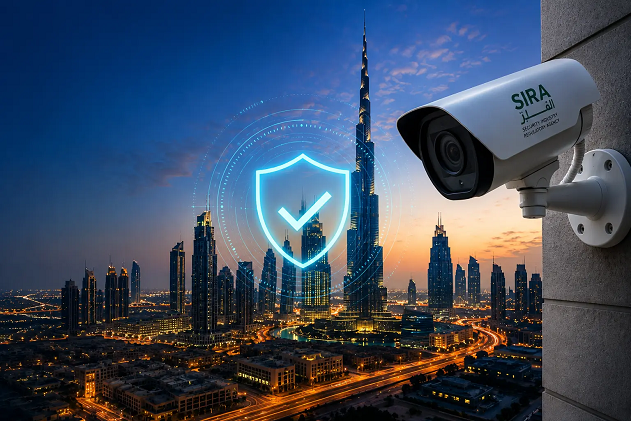
Security camera systems have become a standard feature of both residential and commercial properties across Dubai. Unlike many markets where simple self-installation is acceptable, Dubai’s surveillance industry is governed by the Security Industry Regulatory Agency (SIRA), which sets specific requirements for CCTV installations across commercial premises, residential buildings, and other regulated environments. Understanding these requirements before choosing an installation company protects you from non-compliance penalties and ensures your system is properly designed from the outset.
What Is SIRA and Why Does It Matter?
SIRA is the regulatory authority in Dubai responsible for overseeing the private security industry, including security personnel, alarm systems, and CCTV installations. Under SIRA regulations, commercial premises above certain thresholds are required to install and maintain CCTV systems that meet specified technical standards for camera resolution, coverage, storage capacity, and access protocols.
The regulations also require that installations be carried out by SIRA-licensed companies and that systems are registered with the authority. Non-compliant systems can result in fines and orders to reinstall to the correct standard, making the initial choice of provider highly consequential.
Working with a SIRA approved CCTV company in Dubai ensures the design, equipment, and installation all meet current regulatory requirements from the outset, avoiding costly remediation later.
Key Technical Requirements for Compliant Systems
SIRA guidelines specify minimum camera resolution standards like in End Zone Camera, minimum storage durations, and coverage requirements mandating that certain areas, including building entrances, exits, and common areas, are captured with specific image quality.Beyond compliance, a well-designed system considers camera placement to minimise blind spots, appropriate camera types for different environments, and integration with access control or alarm systems where relevant.
Choosing a Provider: Beyond the SIRA Licence
While SIRA approval is a necessary condition for any Dubai CCTV installation company, it is not sufficient on its own to guarantee a quality outcome. Experience with similar project types, the quality of equipment brands used, the clarity of proposal documentation, and post-installation support are all worth evaluating.
A professional provider will carry out a site survey before quoting, produce a camera layout plan showing coverage areas, specify equipment matched to the environment, and advise on storage and remote access options appropriate to the client’s needs.
Frequently Asked Questions
Q: Is CCTV installation mandatory for all businesses in Dubai?
A: Not all businesses, but many commercial categories are subject to SIRA requirements. Requirements vary by business type and premises size. Checking with a SIRA-approved installer will clarify whether your specific premises are subject to mandatory installation.
Q: Can I install a CCTV system myself in Dubai?
A: For personal home use, there is more flexibility. For commercial installations and regulated environments, SIRA requirements typically mandate installation by a licensed company.
Q: What happens if my CCTV system is found to be non-compliant?
A: Non-compliance can result in fines and a requirement to upgrade or reinstall the system to the required standard. Remediation costs typically exceed the cost of correct initial installation.
Q: How much does a SIRA-compliant CCTV installation typically cost?
A: Costs vary significantly depending on the number of cameras, the size of the premises, the equipment specification, and any integration requirements. A professional installer will provide a detailed quote after a site survey.
Q: How often should a CCTV system be serviced?
A: Annual preventive maintenance is the minimum recommendation. This involves cleaning camera lenses, checking cable integrity, verifying recording and storage functionality, and reviewing coverage for any changes to the premises.