Your home should always be a comfortable and secure haven, but it can turn into a source of stress if unwanted pests take over. In most cases, infestation go unnoticed without your knowledge until it becomes a major issue. However, to avoid major destruction to your property and your health, it is essential to identify any infestation early enough.
Whether it’s bugs hiding in dark places or rodents entering your home through small cracks, pests always leave a subtle sign of their presence. To avoid a major crisis in your home, it’s essential to learn how to identify these common pests.
Knowing what to look out for not only keeps your home clean but also saves you a lot of money in the long run.
In this article, we are going to look at some of the common infestation signs in your home.
Look For Droppings
One of the first signs you might notice when you have a pest problem is the presence of droppings. Each pest species may have different kinds of droppings, which may help you detect their presence. If you suspect pest activity, consulting professionals like A&C Pest Management can help identify the problem early and provide effective solutions.
For example, rodent droppings are small, dark-colored, and may resemble a pellet shape, especially around the area of their food source or along the walls. Also, cockroach droppings may resemble black pepper or coffee grounds and may be found around the kitchen cabinet or under the kitchen appliance.
The fresh droppings may be moist and dark-colored, while older ones may be dry and crumbly. When you notice fresh droppings around the house, especially around the hidden areas behind furniture, inside cupboards, and along the baseboards, it may be a sure sign that pests are living and thriving around the house.
Check For Bite Marks On Skin
Unexplained bites on your skin, especially after waking up, can be a sign of pests like bed bugs, fleas, or mosquitoes. Bed bug bites often appear in clusters or straight lines and are usually found on exposed areas such as arms, legs, and the neck. Flea bites are smaller and tend to be concentrated around the ankles and lower legs.
If you frequently wake up with itchy or red spots, it’s important to inspect your bedding and sleeping area. Look for tiny blood stains on sheets or small dark spots, which could indicate bed bug activity. While bites alone are not always definitive proof, when combined with other signs, they can strongly suggest the presence of pests in your home.
Inspect Food Packaging For Damage
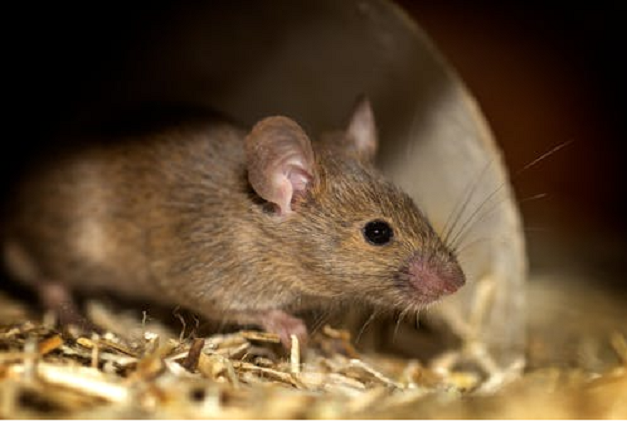
Pests are always on the lookout for food, and your food storage is usually their first port of call. If you notice damaged food packages, it is likely that you have pests such as ants, beetles, and rodents in your house. You will notice gnaw marks and holes in your food packages, especially on food items such as cereal boxes, flour packets, and snack packets.
At times, you will notice food particles and dirt in your food storage area. Some pests will also leave behind webbing and larvae in your food containers. Thus, to prevent contamination, always check your food supplies regularly and store them in sealed, airtight containers.
If you notice damaged packages, it is therefore important to dispose of such foodstuffs.
Notice Unusual Smells
Strange or persistent odors in your home can often point to a hidden pest problem. For instance, a musty or oily smell may indicate cockroach infestations, while a strong ammonia-like odor could suggest the presence of rodents. Dead pests trapped in walls or hidden spaces can also produce a foul, decaying smell over time.
These odors tend to linger and may become stronger as the infestation grows. If you notice unusual smells that don’t have an obvious source, it’s worth investigating further. Check less frequently used areas such as attics, basements, and behind large appliances, as these are common hiding spots for pests.
Look For Shed Skins Or Body Parts
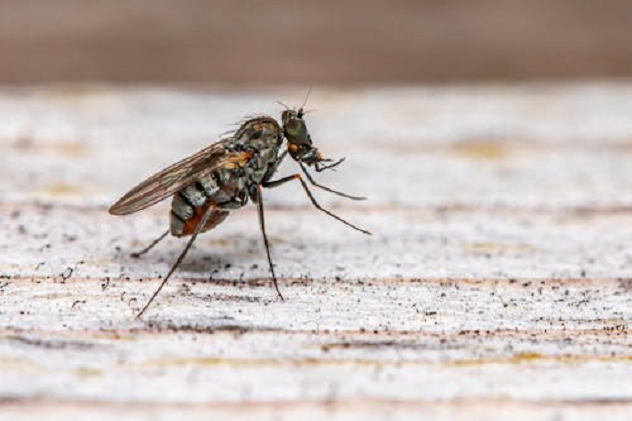
Most pests, especially insects, shed their skin as they develop. If you find shed skins or body parts of pests, it is a sure sign that they are living and breeding in your house. For instance, cockroaches and bed bugs shed translucent skins, and some beetles shed parts of their shells.
You might also see insect wings, legs, and other body parts in areas around your windowsills and light fixtures. These body parts and shed skins of pests are usually overlooked and can give you important information on the type of pest in your house.
Check For Nests Or Burrows
Pests often create nests or burrows to live and reproduce. Rodents typically build nests using shredded paper, fabric, or insulation, and these are usually found in dark, secluded areas such as attics, basements, or behind walls. Insects like ants and termites may create tunnels or mounds, sometimes visible near walls or wooden structures.
Burrows or small holes in walls, floors, or outdoor areas near your home can also indicate pest activity. If you notice these signs, it’s important to act quickly, as nests often mean that the infestation is already established. Removing nests and sealing entry points can help prevent the problem from worsening.
Wrapping Up
Identifying common pests within the home does not require expert knowledge, but it does require attention to detail. By staying alert to signs such as droppings, bite marks, damaged food packaging, and nests, you can detect problems early and take the necessary steps to address them. Early identification not only protects your home from structural damage but also safeguards your health and well-being.
Likewise, keeping things clean, inspecting your living areas frequently, and fixing any small problems as they arise can do a lot to keep pests away.
Taking a proactive approach towards pest control will help keep the home environment safe, comfortable, and pest-free for you and your family.