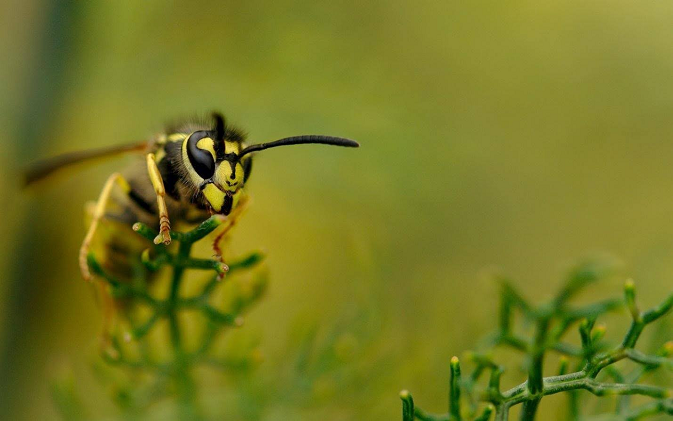
Stinging insects are a regular occurrence in our day-to-day lives, particularly during warmer weather when outdoor activities increase. Despite the beneficial role these insects play in their ecosystem, their potential sting poses risks of irritation, allergic reactions, and even health concerns for some.
Learning about common stinging insects and their behavior will help one avoid the risks they pose. From social activities held in your backyard to your hike in nature, such creatures cannot be avoided, hence the need for increased awareness. As mentioned above, each species exhibits varying behavior that may dictate whether they sting you. It is only right to learn about the various species of common stinging insects to avoid any unnecessary risks.
Below are some of the most common stinging insects.
- Bees
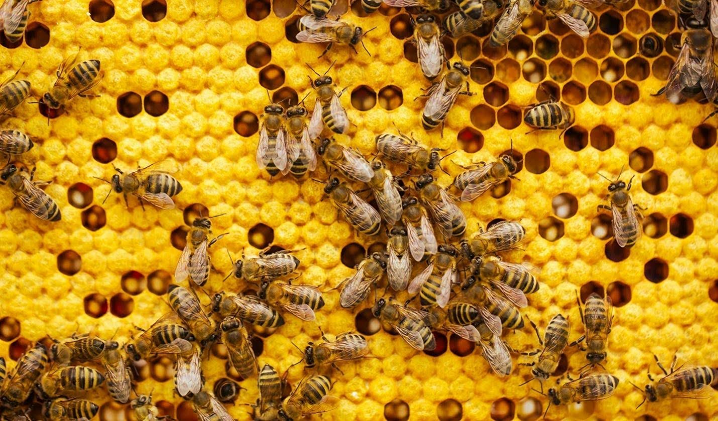
Bees are perhaps the most renowned stinging insects due to their vital pollinating role. Although bees are usually quite tame, they will sting if they are provoked or if their colony is disrupted. In the case of honeybees, they are able to sting only once since the stinger gets stuck inside, thus causing the bee’s death shortly after.
For bumblebees, however, stinging several times is possible although unlikely. The sting of a bee often causes only minor side effects such as pain, inflammation, and swelling; nonetheless, allergy sufferers will experience a much more serious reaction.
In areas like Parker, where outdoor activities are common, understanding bee behavior is especially important. Fortunately, you can take simple precautions. Avoiding sudden movements, maintaining distance from nests, and keeping food covered outdoors can significantly reduce the risk of being stung.
When bee activity becomes persistent, or nests are located too close to homes or public spaces, it may indicate a need for professional intervention. In such situations, relying on Pest Control in Parker ensures that the issue is handled safely and effectively, protecting both residents and the local ecosystem.
- Wasps
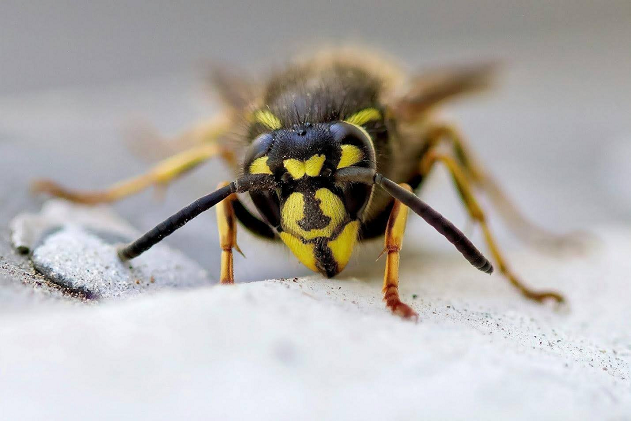
Did you know that Wasps are more aggressive than bees? They are known to be able to sting several times without dying. They don’t leave their stingers behind, unlike bees, thus making them very persistent whenever they attack. Common types of wasps include yellowjackets and hornets, which are usually attracted to food.
These insects usually attack when they sense a threat; therefore, it is quite likely that people eating outside will attract them. It is important to note that wasps are extremely protective of their nests, and when disturbed, they can sting multiple times, causing pain and potentially triggering allergic reactions.
- Hornets
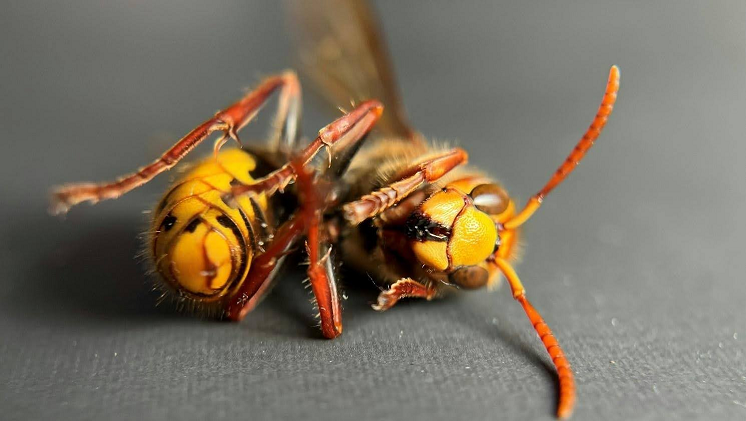
Hornets belong to the wasp family; however, they are much bigger and appear menacing. These insects are very protective of their nest and will attack anything that threatens their nest. Hornets are known for their ability to sting multiple times, and the pain associated with their stings is more severe compared to other wasps due to the quantity of venom they release.
Essentially, nests are commonly found in trees, bushes, or even under roof eaves, making disturbance likely. Hornets are aggressive creatures and will attack when threatened. However, they try to stay away from human beings if there is no need to attack.
- Fire Ants
Fire ants are very small but extremely aggressive insects notorious for their painful stings. In contrast to bees and wasps, fire ants sting in clusters, thus leading to numerous stings simultaneously. They bite upon provocation, and their venomous sting creates pain. It may cause the appearance of small, itchy blisters that will stay on the skin for many days.
On top of that, fire ants usually nest in mounds in the soil, especially in places with warm temperatures. If you walk over such a mound by accident, it will instantly attract them. The best prevention of getting stung is wearing proper shoes and avoiding contact with sand or grass.
- Carpenter Ants and Other Stinging Ants
While not all ants sting, certain species do, including carpenter ants and other stinging ants, whose bites and stings can be uncomfortable.
These types of ants are less aggressive than fire ants, but they may still defend themselves and their colonies if they feel threatened by external forces. The bites of these ants may sting and irritate due to formic acid secretion. Carpenter ants are often found in wood structures, making them a concern for homeowners.
Despite being less dangerous than other types of stinging ants, constant exposure may increase sensitivity to them in certain people.
- Paper Wasps
Paper wasps are another species of stinging insects that can easily be identified by their thin, elongated bodies. They build umbrella-shaped nests that are often found under eaves, on decks, or in trees. When compared to other species of wasps, paper wasps tend to be quite peaceful and non-aggressive.
However, these wasps sting to defend themselves from danger or when their nest is under threat. Like other wasps, paper wasps sting multiple times at once and cause pain, swelling, and discomfort.
In severe cases, people may have an allergic reaction that requires emergency care.
Wrapping Up
Stinging insects form an integral part of nature, each performing its ecological functions to keep balance in the ecosystem. Bees help with pollination, while wasps and hornets help control pest populations, and ants help aerate the soil.
Nevertheless, because stinging insects can sting humans, it is vital to understand how they behave to prevent potential harm in the event of an attack. By knowing which common stinging insects include bees, wasps, hornets, and ants, among others, one can take precautionary measures by avoiding nests, handling food wisely outdoors, and protecting oneself in certain areas.