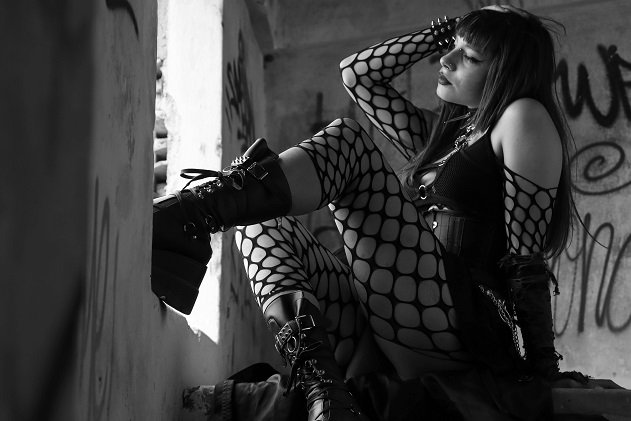
Gothic and alternative clothing is not something people dip in and out of. For most, it is a long term style that reflects music, attitude, and personal taste. It is built around consistency, with pieces that feel right rather than following what is currently popular. Many who wear it have developed their look over time, refining it through different influences while keeping a clear sense of identity.
The look is defined by darker tones, strong shapes, and attention to detail. Black sits at the centre, supported by shades like deep red, charcoal, and muted greens. Instead of relying on colour, the focus is on fabric, fit, and how each piece works together. This creates a style that feels deliberate rather than put together at random.
The details that shape the look
Texture plays a big part. Leather jackets, heavy cotton shirts, wool coats, and worn denim all add depth without needing bold patterns. Materials often improve with wear, which is part of the appeal. A jacket or pair of boots can develop character over time, making the outfit feel more personal.
Layering is often used to build interest, with longline pieces, fitted tops, and outerwear working together to create a clear silhouette. The way layers fall and interact matters just as much as the individual pieces themselves.
Hardware is another key feature. Zips, buckles, straps, and metal accents are common, but they are usually part of the design rather than added on. These details give the clothing its edge without making it feel forced.
Footwear is one of the strongest statements in alternative style. Boots are the foundation of many outfits, and brands like New Rocks are known for their weight, durability, and distinctive design. Thick soles, metal plates, and bold shapes make them instantly recognisable, and they often anchor the entire outfit.
Building outfits that feel natural
Putting together a gothic or alternative outfit is less about rules and more about balance. Some prefer a full look with layered pieces and strong details, while others keep it simpler with a few key items.
A common approach is to start with a solid base. Black jeans or trousers paired with a fitted shirt or long sleeve top creates a clean starting point. From there, outerwear such as a long coat or structured jacket adds shape and presence.
Footwear usually does most of the talking. A pair of statement boots can define the outfit, so the rest of the look can stay more controlled. Accessories like rings, chains, or belts can be added, but they tend to work best when they complement the clothing rather than compete with it.
There is also a growing mix between gothic pieces and more tailored items. Some combine sharp coats or structured trousers with heavier boots to create contrast. This keeps the look grounded while still staying true to the overall style.
Expression without compromise
One of the reasons gothic and alternative clothing continues to resonate is because it allows for individuality without losing a shared identity. There is a clear visual language, but there is still room to make it personal.
Music, art, and culture all play a role in shaping how people dress within this space. Influences range across decades, and it is common to see elements that reference different eras combined into one outfit. This gives the style depth and keeps it from feeling static.
Some lean towards a cleaner, more minimal approach with subtle details and fitted pieces. Others prefer heavier looks with layered textures and stronger hardware. Both sit within the same space and are equally recognisable.
It also avoids the cycle of constant change. Pieces are often kept for years, worn in, and styled in different ways over time. This gives the wardrobe a sense of continuity that is hard to find in trend driven fashion.
Why it stays relevant
Gothic and alternative clothing remains strong because it does not try to appeal to everyone. It is specific, consistent, and built around people who know what they like.
It offers a way to dress that feels deliberate. Every piece has a purpose, and the overall look comes together through choice rather than chance. There is also a sense of community around it, where shared style creates recognition without needing explanation.
For those who connect with it, it goes beyond clothing. It becomes part of how they present themselves day to day, shaped by personal taste, experience, and the influences they choose to carry forward.