
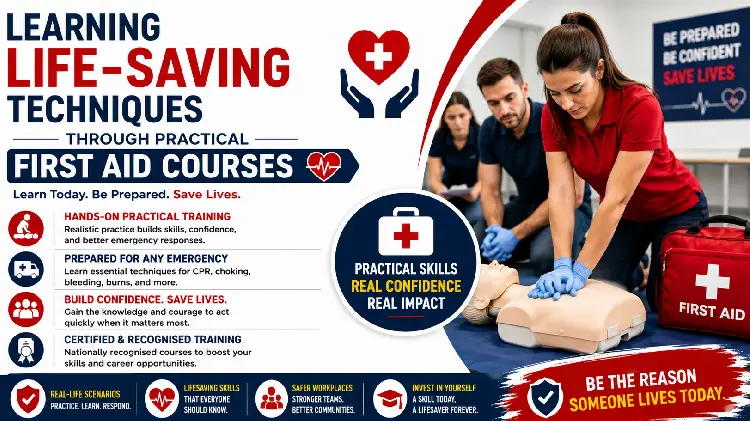
First aid knowledge is one of the most practical and valuable skills a person can develop. Emergencies can happen unexpectedly at home, in workplaces, schools, sports activities, or public places. In those critical moments, knowing how to respond quickly and calmly can make a major difference before professional medical assistance arrives. A first aid course helps individuals gain the confidence and knowledge needed to handle a wide range of situations safely and responsibly.
Understanding Emergency Response Basics
One of the first things people learn in a first aid course is how to assess an emergency scene. This includes checking for dangers, identifying injuries, and deciding what actions should be taken first. Remaining calm under pressure is an essential skill that can help prevent panic and confusion during emergencies.
Participants are also taught how to contact emergency services effectively and provide accurate information. Learning these simple but important steps helps improve response times and ensures injured individuals receive proper care as quickly as possible.
Learning CPR and Life Saving Techniques
Cardiopulmonary resuscitation, commonly known as CPR, is among the most recognised first aid skills. People who take CPR classes learn how to help someone whose heart has stopped beating or breathing has stopped. These techniques can make it much more likely that you will survive dangerous scenarios.
Many people enrol in courses such as HLTAID011 Provide First Aid because they want practical, hands-on training that prepares them for real emergencies. These programs often include CPR practice, recovery positions, and methods for assisting choking victims.
Managing Common Injuries
A first aid course also teaches how to manage common injuries that occur in everyday life. Cuts, burns, fractures, sprains, allergic reactions, and bleeding injuries are all covered during training sessions. Knowing how to respond properly can reduce complications and provide comfort until medical professionals arrive.
People also learn how to use bandages, dress wounds, and stabilise injuries. These practical skills are valuable not only in workplaces but also in family settings, schools, and community activities.
Building Workplace Safety Awareness
Many employers encourage staff members to complete first aid training because it supports a safer working environment. Employees who understand emergency procedures can respond more effectively during accidents and health emergencies. This contributes to improved workplace preparedness and greater confidence among team members.
In some industries, first aid training is combined with broader professional development qualifications such as Cert 4 training and assessment. This combination helps individuals develop both safety knowledge and instructional skills that may support leadership or training responsibilities within organisations.
Improving Confidence and Communication Skills
A major benefit of first aid education is the confidence it builds in participants. People often feel uncertain or nervous about helping injured individuals before they receive proper training. A structured course provides practical exercises and simulated scenarios that help learners feel more prepared.
Communication is another important skill developed during training. Participants learn how to reassure injured individuals, provide clear instructions, and coordinate effectively with emergency responders. These communication abilities are valuable in many professional and personal situations.
Supporting Career Opportunities
First aid qualifications are highly regarded across many industries, including healthcare, childcare, education, construction, hospitality, and fitness. Having current first aid certification may improve employment opportunities and demonstrate responsibility and preparedness to employers.
Many professionals seeking career advancement also explore programs like Cert IV Training and Assessment Adelaide to strengthen both their teaching abilities and workplace qualifications. Combining training expertise with first aid knowledge can create additional opportunities in training, supervision, and workplace safety roles.
A Skill That Benefits Everyone
People who work in healthcare or emergency services are not the only ones who can learn first aid. Parents, students, teachers, office workers, coaches, and community volunteers can all benefit from learning these essential skills. Emergencies often occur without warning, and having the ability to respond confidently can make a meaningful difference.
A first aid course provides practical knowledge that people can use throughout their lives. From assisting with minor injuries to responding during critical emergencies, these skills promote safety, confidence, and community support. Learning first aid is an investment not only in personal development but also in the well-being of others.
