The Forefront of Digitalization in Japan: Major Changes in the Entertainment Industry

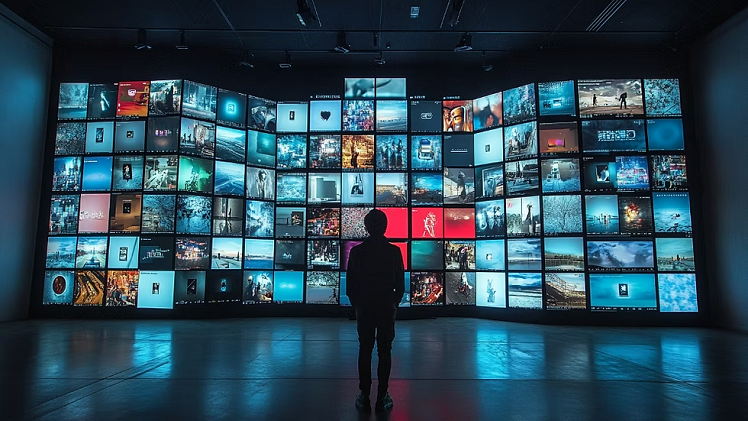
How Cashless Payments and Super Apps Are Transforming the Consumer Experience
Changes in the entertainment industry are being accelerated not so much by the content itself, but by shifts in the infrastructure through which it is consumed. As the rise of super apps gains momentum worldwide, payment apps in Japan have evolved beyond mere payment functions to become essential platforms for daily life, integrating coupons, tickets, membership services, and streaming. The rise in cashless transactions is not merely streamlining payments; it is redesigning the consumer journey itself.
This trend extends to the entertainment sector. Mobile tickets, digital membership cards, and stadium-linked services are transforming the spectator experience from a physical event into a digital, participatory experience. The reason the Japanese market attracts international attention lies in the fact that, while it is a mature consumer market, the design of new experiences is occurring simultaneously. The intersection of high mobile penetration and a unique consumer culture creates an environment conducive to the adoption of experimental services.
As a result, Japan is often cited not merely as a regional market, but as a test case for observing next-generation entertainment experiences. With sports, payments, and digital membership platforms now converging, this shift aligns with broader trends within the technology industry itself.
The Evolution of Online Entertainment Shaped by Regulation and Technology
As digitalization advances, the relationship between technology and regulation becomes increasingly important. In Japan, too, the debate surrounding online entertainment is emerging not as a simple choice between regulation and deregulation, but as a question of how regulations can keep pace with technological evolution. This is a common theme across streaming, payments, digital assets, and sports-related services.
The rising proportion of online betting in state-run racing symbolizes the trend of consumers participating in entertainment via mobile devices. Users now seek not only convenience but also real-time interaction and a sense of participation. This shift is also linked to the formation of demand for online entertainment more broadly.
Of particular note here is the debate surrounding online betting in Japan. What matters is not just the institutional pros and cons, but observing how user behavior and the culture of digital participation are changing. Technology often advances faster than regulations. The very efforts to bridge that gap are the key to understanding the current state of entertainment digital transformation (DX).
The Participatory Sports Experience Revealed by FIFA World Cup Betting in Japan
Ahead of the 2026 tournament, soccer viewing is shifting further from mere spectating toward active participation. Social media-linked viewing, live statistics, and second-screen usage are already becoming established in major global markets, and this trend is gaining momentum in Japan as well. Watching a match and reacting, predicting, and sharing in real time are now inseparable.
In this context, the topic of FIFA World Cup betting in Japan can be understood not merely as gambling, but as a symbol of interactive sports consumption. Odds information, live data, and social media integration are transforming the act of watching into an informational experience. Overseas platforms, in particular, are strengthening their mobile-centric marketing strategies for the Japanese market, and international competition is intensifying.
Crucially, this shift extends far beyond the sports industry alone. We are witnessing the emergence of a new digital consumption model where data, media, and fan behavior converge. The World Cup is a massive event that makes this transformation most visible.
The Next Phase of Japan’s Entertainment Digital Transformation, Driven by Web3 and AI
The future of this transformation hinges on the widespread adoption of AI and decentralized technologies. Recommendation algorithms and predictive data are already becoming deeply integrated into the entertainment experience. The visualization of viewing data, personalized content delivery, and AI analytics tools are transforming the fan experience into a more active one.
Furthermore, Web3-inspired concepts are expanding the ideas of ownership and participation. Concepts such as digital membership, fan communities, token design, and metaverse viewing are still in their early stages, but experimentation is underway. As Japan is a market with strong ties to gaming, mobile, and pop culture, it has a high affinity for these technologies.
The focus over the next five years will not be on how flashy the technology is, but on how seamlessly it integrates into daily life. Next-generation entertainment will shift from something to be watched to something to participate in. Japan’s digital market is certainly positioned at the forefront of this transformation.