Emergencies can happen at any time. A person may stop breathing, fall down, or get hurt very fast. In these moments, quick help from someone nearby can save a life.
Many people want to help but do not know what to do. Lifesaving training teaches simple steps people can follow while waiting for medical help to arrive.
Learning these skills helps people feel more confident. It prepares them to act when every second matters. If you want to learn why this training is important and how it helps people in emergencies, keep reading.
Understanding Lifesaving Response Skills
Lifesaving response skills are simple actions people can take during a medical emergency before help arrives. These actions may include checking if a person is breathing, calling for help, and giving basic care.
In many emergencies, the first few minutes are very important. Quick help can keep a person safe until trained medical workers arrive.
These skills are made to be easy to learn and use. With clear teaching and practice, many people can learn how to help in an emergency.
Why Training Matters During Emergencies
Without training, people often freeze or hesitate when they see an emergency. Fear of doing something wrong can stop someone from taking action.
Training helps reduce that fear. When people understand the steps to follow, they feel more prepared to help.
Practice also builds muscle memory. This means the body and mind can react faster when a real situation happens. Instead of guessing what to do, trained individuals can follow the procedures they learned during training sessions.
Key Skills Often Taught in Training
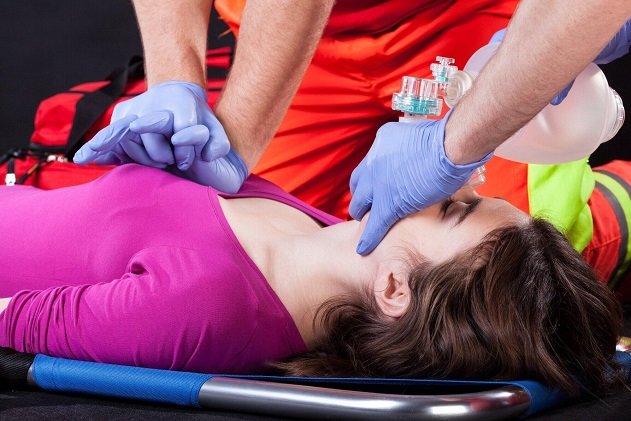
Lifesaving response courses usually teach several important skills. One of the most well-known skills is cardiopulmonary resuscitation, often called CPR. This technique helps keep blood and oxygen moving through the body when the heart stops beating.
Training may also include how to help someone who is choking. Participants learn safe ways to remove an obstruction and help a person breathe again.
Other lessons may focus on recognizing signs of medical distress, responding to injuries, and using an automated external defibrillator. Many online and in-person programs, including training resources from MyCPR NOW, help people learn these essential techniques.
Who Can Benefit from Lifesaving Training
Lifesaving training can help many people. Parents, teachers, coaches, and workers often take these classes so they know how to help if someone gets hurt or sick.
People in the community can also benefit from these skills. Emergencies can happen at home, at work, or in public places. When more people know what to do, there is a better chance someone nearby can help.
Teenagers and young adults can learn these skills too. The goal is to help as many people as possible know how to act when help is needed.
The Confidence to Act When It Matters Most
Learning lifesaving response skills is not just about gaining knowledge. It is about building the confidence to act during critical moments.
When people know how to respond, they become part of a safer community. Their actions can support someone in distress and help bridge the gap before professional responders arrive.
In many situations, a few calm and informed steps can make a powerful difference. By learning and practicing these skills, individuals become better prepared to protect and support the people around them when it matters most.
For more on this content, visit the rest of our blog!