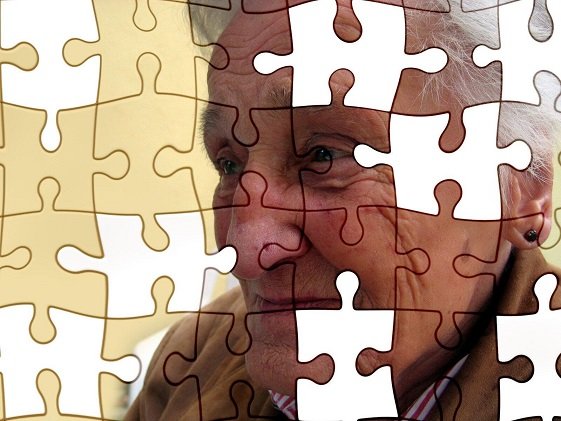
A quiet room can change in a moment. A face looks confused. A voice grows tense. A simple question turns into fear. For people living with memory loss, small changes can feel large and scary.
They may not remember where they are. They may not know the people around them. This loss of memory can bring anxiety that feels very real and very strong.
In care homes and assisted living spaces, staff see these moments often. Yet they do not meet fear with force. They meet it with calm.
Keep reading to learn how trained staff help residents feel safe when memory loss triggers anxiety.
Understanding the Root of the Fear
Memory loss can take away a sense of control. When someone cannot recall names, places, or events, the world may feel unsafe. A new face may seem like a stranger. A simple routine may feel unfamiliar.
This confusion can lead to worry. The heart beats faster. The voice grows loud. The body becomes tense. Staff begin by understanding that the fear is real. Even if the reason seems unclear, the emotion is true. Respecting that feeling is the first step toward calm.
Speaking With a Gentle Voice
Tone matters more than words. Staff often lower their voice and speak slowly. A soft tone can reduce tension. Quick or loud speech may increase fear. They use short and clear sentences. Simple language helps residents follow along. Instead of correcting harshly, they guide with kindness.
Using Familiar Cues
Familiar sights and sounds can ease anxiety. Staff may bring a favorite blanket, photo, or song. These small items can remind the resident of comfort. Routine is also powerful. Eating at the same time each day or sitting in a familiar chair helps build a sense of stability.
Gentle Touch and Body Language
Body language speaks without words. Staff keep open posture and relaxed movements. Sudden gestures may startle someone with memory loss. If appropriate, a light touch on the hand or shoulder can help. Physical reassurance, when welcomed, creates connection. Eye contact also helps.
Redirecting With Care
Sometimes anxiety grows because a resident is stuck on a thought. They may repeat a question or worry about going home. Instead of arguing, staff gently redirect.
They may shift the topic to a pleasant memory. They may suggest a short walk or a simple activity. Distraction, when done kindly, can move the mind away from fear.
This approach is part of supportive care for memory fear. It focuses on comfort instead of correction.
Creating a Calm Environment
The space around a person affects their mood. Loud noise and bright lights can increase anxiety. Staff often reduce background sound and soften lighting. A tidy and peaceful room helps the mind rest. Too much movement or clutter may add confusion.
Training and Team Support
Staff are trained to handle anxiety with patience. They learn about dementia and memory loss. They practice staying calm even in tense moments. Teamwork also matters. When staff share notes about what soothes each resident, care becomes more personal.
How Staff Calm Residents When Memory Loss Triggers Anxiety
When memory loss, fear can rise fast. Yet with gentle voices, steady hands, and kind eyes, staff bring peace back into the room. They do not rush or argue. They listen, guide, and reassure.
Calming a resident is not about control. It is about connection. It is about meeting fear with warmth.
In these quiet acts of care, trust grows. And even when memory is fragile, the feeling of safety can remain strong.