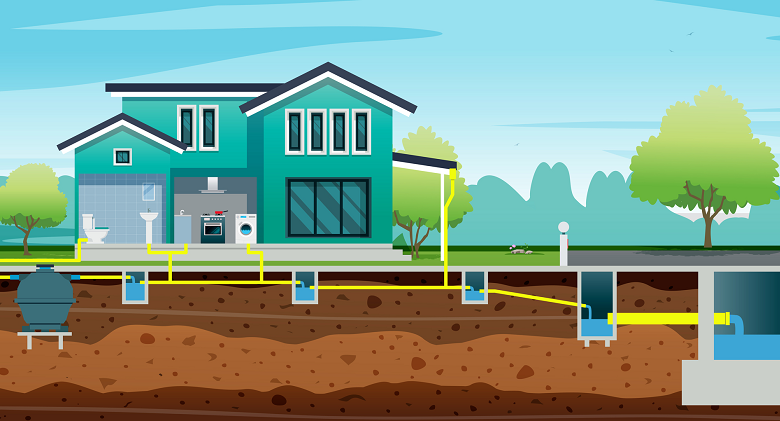
Draining your home’s plumbing system is one of those tasks that sounds more intimidating than it really is, but it still needs to be handled with care. Whether you are preparing for cold weather, getting ready for a repair, or simply trying to protect your pipes before leaving the house empty for a while, knowing how to remove water from the system can help prevent expensive problems later. A proper drain-down can lower the risk of frozen pipes, reduce pressure in the lines, and make maintenance much easier. It can also be a smart move if you have noticed water-related issues that suggest deeper trouble, including recurring sewer blockages, before those concerns turn into a much bigger headache.
Why draining your plumbing system matters more than most people think
It is easy to ignore your plumbing when everything seems to be working normally. Water comes out when you turn the handle, the toilet flushes, and the appliances do their jobs in the background. The problem is that water left sitting in pipes, fixtures, and connected systems can become a serious issue under the wrong conditions.
If temperatures drop low enough, that trapped water can freeze and expand. That is where cracked pipes, split fittings, and hidden leaks begin. In other cases, you may need to drain the system before replacing fixtures, repairing supply lines, or doing work on the water heater. Even if you are not facing an emergency, draining the plumbing system gives you a chance to inspect things more closely and catch issues you would otherwise miss.
This task is also about control. Instead of waiting for a burst pipe or surprise leak, draining the system gives you the chance to take action before something goes wrong. That is a much better position to be in when you want to protect your home and avoid unnecessary repair costs.
Start with the main shutoff and work from the top down
Before you do anything else, the main water supply needs to be turned off. This is the step that stops fresh water from continuing to enter the system while you are trying to empty it. Once the main valve is closed, the water already in the pipes is what you will be working with.
After that, begin opening faucets on the highest floor of the home first. Then continue moving downward level by level. This approach helps air enter the lines as water drains out, which makes the process more effective. Open both hot and cold taps where possible so trapped water has more than one route to escape.
As you move through the house, pay attention to every fixture, not just the obvious ones. Utility sinks, tubs, showers, and lower-level faucets all matter. The goal is to let gravity do as much of the work as possible. In some plumbing setups, small parts and transition points can hold onto water longer than expected, which is why understanding fittings and repair components can be useful, especially if you are already thinking ahead about fernco coupling options for pipe transitions during future maintenance.
Toilets need more attention than just one flush
A toilet can still hold a surprising amount of water even after the supply has been shut off. Flushing helps move some of that water out, but it usually will not remove all of it from the tank and bowl. That remaining water can still become a problem if freezing temperatures are part of the reason you are draining the system.
Once you flush, check the tank to see how much water is left behind. In many cases, you will need to sponge, towel, or scoop out the rest. The bowl may also need the same treatment. This can feel like a small detail, but it is one of the most important parts of a full drain-down because toilets tend to be forgotten once they have been flushed once.
Taking a few extra minutes here can make a big difference later. It is always better to leave the fixture as dry as possible than to assume one flush took care of everything.
The water heater deserves a careful, patient approach
Draining the water heater is one of the most important parts of the process, and also one of the parts that deserves the most caution. Before touching anything, make sure the unit is powered down properly. That means shutting off the appropriate power source and allowing the tank to cool if the water has been heated recently.
From there, the tank can usually be drained through the drain valve near the bottom. A hose is often connected so water can be directed safely away. This is not a step to rush. Sediment can build up inside the tank, and depending on its condition, draining may go quickly or take a while.
It is also smart to follow the product instructions for your specific unit rather than assuming every setup works the same way. Some homeowners are comfortable doing this themselves, while others prefer to leave this step to a professional. That is especially true if the heater is older, has not been serviced in a long time, or shows signs of corrosion or leaking around the base.
Do not forget the appliances that quietly hold water
One of the easiest mistakes during a plumbing drain-down is forgetting that some of the water in your home is not sitting in the main lines at all. It is tucked away inside appliances. Washing machines, dishwashers, and certain connected systems may still contain water even after faucets have stopped running.
That trapped water can remain in hoses, valves, pumps, and internal compartments. In some cases, running a brief drain or spin setting may help move a portion of it out, but that does not always empty everything. This is where checking the appliance instructions can help, especially if you are preparing the property for a period of disuse or colder conditions.
It is worth slowing down here rather than assuming the house is fully drained just because the sinks are dry. Appliances are often where leftover water hides, and if it freezes or sits too long, it can lead to damage that is frustrating and expensive to deal with later.
Let the system breathe before you assume the job is done
Once the obvious water has drained out, the system still needs time. Air needs to move through the pipes, and any remaining water should have the chance to trickle out of low points. This is why leaving faucets open for a while can be helpful. It allows pressure to equalize and gives the system time to empty more fully.
Some people use compressed air to push remaining water out of the lines, especially when winterizing a property. That can be effective, but it needs to be done carefully. Too much pressure or the wrong setup can create new problems instead of preventing them. If there is any doubt, a safer approach is to let gravity and time do most of the work.
This stage is not dramatic, but it matters. Plumbing systems often hold onto small pockets of water longer than expected, so giving the process time can make the difference between a partial drain and a much more complete one.
This is the perfect time to inspect what you usually overlook
When the plumbing system is empty, you have a rare chance to look at it differently. This is the ideal moment to check visible pipes, shutoff valves, exposed fittings, and nearby areas for signs of wear. A little discoloration, moisture staining, or surface corrosion may not seem urgent at first glance, but these are often the clues that point to future leaks.
You can also check whether valves turn properly, whether connections look secure, and whether any debris or mineral buildup appears around fixtures. These are the details that are hard to notice when the plumbing is in daily use, and no one is paying attention.
A careful inspection during this stage can help you move from reacting to plumbing problems to preventing them. That alone makes the task worthwhile, even if draining the system was only meant to be a temporary precaution.
Bringing water back in takes as much patience as draining it out
Once repairs are complete or the home is ready to be used again, water should be restored gradually. This is not the moment to rush. Close the fixtures you opened earlier, then slowly turn the main supply back on. Giving the system time to refill helps reduce stress on the pipes and lowers the chance of sudden pressure issues.
As water returns, open faucets one at a time so trapped air can escape. You may hear sputtering at first, which is normal. That usually clears as the lines refill. Toilets should also be checked as the tanks refill, and appliances should be inspected before full use resumes.
If something seems off, such as weak flow, banging sounds, or water where it should not be, stop and investigate before moving on. A slow restart gives you a much better chance of catching a problem early.
A simple job that can save you from a costly mess
Draining your home’s plumbing system is not the most glamorous project, but it is one of those practical tasks that can protect your home in a big way. It helps prepare for repairs, reduces the chance of freezing damage, and gives you a valuable opportunity to spot trouble before it grows.
The process is mostly about being thorough. Shut off the water, open the fixtures in the right order, empty toilets, drain the water heater carefully, check appliances, let the system air out, and inspect what you can while things are dry. None of that is especially complicated, but each part matters.
Done properly, this is the kind of maintenance step that pays off quietly. You may never see the disaster you avoided, and that is exactly the point.